
Black History Month: KCSOS Leadership Rooted in Service, Mentorship & Purpose
Wednesday February 11, 2026

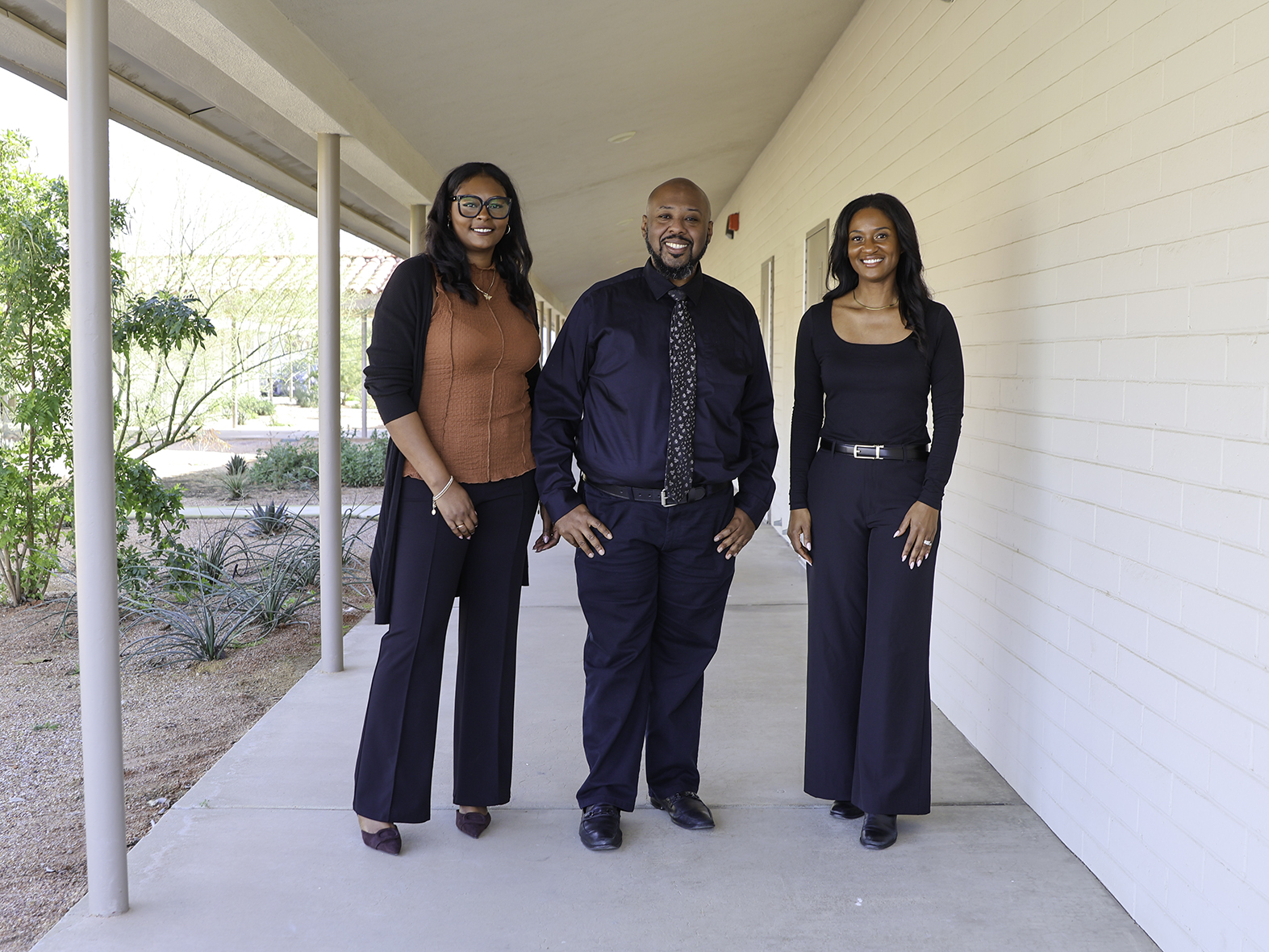
Each February, Black History Month honors the contributions of Black Americans who have shaped communities and created pathways for future generations, celebrating both achievement and the enduring power of legacy. At KCSOS, that legacy is reflected in the daily work of educators and staff whose leadership is rooted in mentorship, service, and belief in others. The stories that follow highlight just a few individuals whose examples continue to influence careers, strengthen teams, and create lasting impact across the organization.
Service Rooted in Purpose
Long before she held a leadership title, Carla Barrientos learned what service looked like inside a special education classroom — standing beside her mother, a special education teacher, as she supported students learning skills that would change their lives. That early exposure left a lasting imprint, shaping not only Barrientos’ career path but her understanding of leadership as something grounded in advocacy and care.
Barrientos currently serves as a Program Coordinator for the Kern County Consortium SELPA at KCSOS, where she works alongside districts and specialized service providers to ensure students with disabilities receive high-quality, meaningful support. That includes occupational therapists, teachers of the deaf and hard of hearing, nursing staff, audiologists, and an audiometrist.
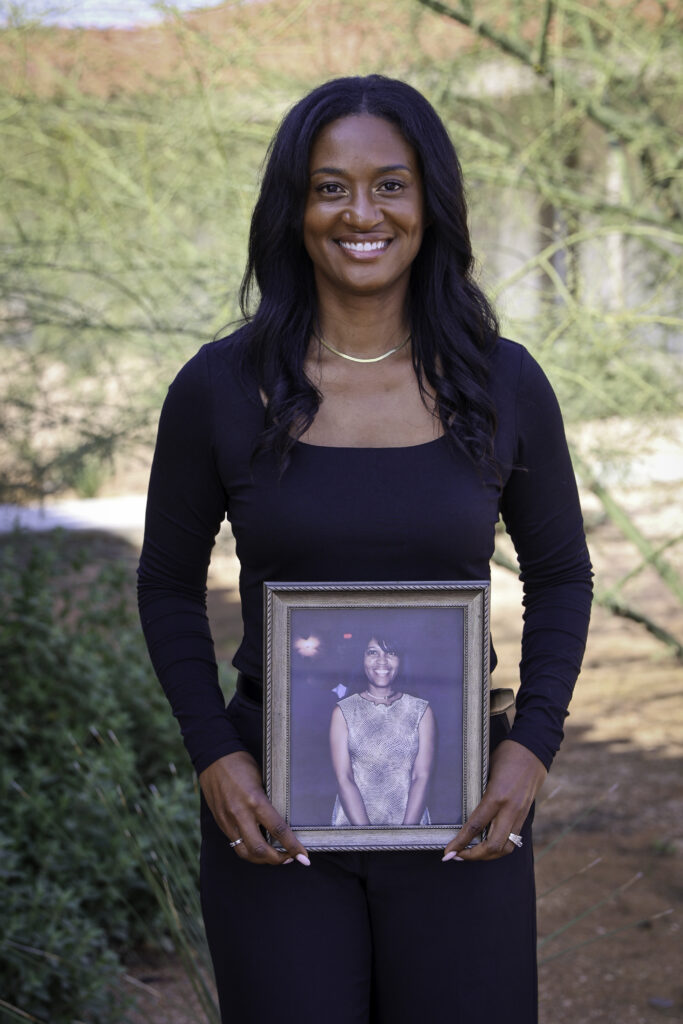
Carla Barrientos poses with a photo of her late mother outside of her office in east Bakersfield.
Her connection to special education began years before her professional career. Growing up, as Barrientos spent time helping in her mother’s classroom, she developed relationships with students and witnessed firsthand the impact of instruction rooted in dignity and high expectations.
“I loved helping out in her classroom and working with her students,” she said. “Her students loved me, and I loved them. We just understood each other.”
Barrientos recalls watching her mother teach life skills many take for granted — from navigating public spaces to self-advocacy — while also supporting families with care and consistency.
“She taught skills such as going to a restaurant, paying at a store, using a cell phone, and advocating for oneself,” Barrientos said. “Those skills were truly life-changing for students and their families.”
Her mother’s influence became even more meaningful after her death, Barrientos says, as those early lessons took on new weight and purpose. The values she modeled — compassion, grace, and steady leadership during difficult moments — continue to guide Barrientos’ work today.
“Watching how she worked with colleagues and administrators, always with grace, even during uncertain times, had a lasting impact on me,” Barrientos said. “Her example reminds me that there is always a way forward.”
Barrientos joined KCSOS in 2006, later working briefly in a local school district before returning to teach in the Special Education Department for ten years. She went on to serve as a Program Specialist with a behavior emphasis for nearly eight years before transitioning into administration. She is now in her second year as a Program Coordinator.
While she is no longer in the classroom, Barrientos says her work remains closely connected to student outcomes.
“The most meaningful part of my work is seeing our staff experience big wins with student progress,” she said. “Knowing that I am supporting and empowering others to do their best work, with care for their craft, compassion for students and families, and a strong commitment to student success, is incredibly rewarding.”
From Personal Experience to National Conversation
Barrientos’ leadership in special education was shaped in part by an early experience with exclusion in a very different setting — one that would later become part of a national reckoning.
When White Hot: The Rise & Fall of Abercrombie & Fitch premiered on Netflix in 2022, it reignited a national conversation about race, exclusion, and power in the workplace. The documentary examines how one of the most influential retail brands of the 1990s and early 2000s built its identity around a narrowly defined image — and the real human cost of that strategy.
Among the voices featured is that of Barrientos, whose experience as a young employee at an Abercrombie & Fitch store in Bakersfield placed her at the center of a system that quietly reinforced discrimination.

Under the leadership of former CEO Mike Jeffries, who ran the retailer from 1992 to 2014, Abercrombie & Fitch’s boasted about its exclusion of people who didn’t fit its “ideal” audience. The company described its market as being thin, hot, and popular.
Abercrombie & Fitch’s modern day marketing campaigns and company culture are markedly more inclusive than they were in the 1990s and early 2000s.

Hired as a brand representative while attending Cal State Bakersfield, Barrientos instead found herself assigned to back-of-house work, denied sales-floor opportunities, and eventually pushed out — all while less-qualified coworkers were given visibility and hours.
The film contextualizes Barrientos’ story alongside others who experienced similar treatment, helping viewers understand how corporate policies and cultural messaging translated into everyday workplace realities. Through archival footage, interviews, and firsthand accounts, White Hot traces how these practices ultimately led to a landmark class-action lawsuit that forced the company to adopt more inclusive hiring and employment standards.
For Barrientos, participating in the documentary was about more than revisiting the past. It was an opportunity to ensure that experiences like hers were acknowledged, validated, and learned from. The film also highlights how voices once dismissed helped drive systemic change — a theme that continues to resonate in conversations about equity today.
“It’s a really great thing to know that a company won’t be able to treat anyone like a second-class employee anymore,” she said.
Now, years later, Barrientos’ work in special education reflects the same core values highlighted in the documentary: advocacy, fairness, and standing up for those whose voices are too often overlooked. Her presence in White Hot connects personal experience to broader social impact, reminding viewers that progress is often driven by individuals willing to speak out — even when it comes at a cost.
While White Hot captures one chapter of Barrientos’ advocacy on a national stage, the impact of her leadership is perhaps most visible in the people she supports every day.
Colleagues such as Mylum Nicholson and Shinique Hammett describe Barrientos as a leader who creates space for others to grow — offering guidance without hierarchy and support without hesitation. Whether navigating complex special education systems or stepping into new leadership roles, they credit her with modeling what service-centered leadership looks like in practice.
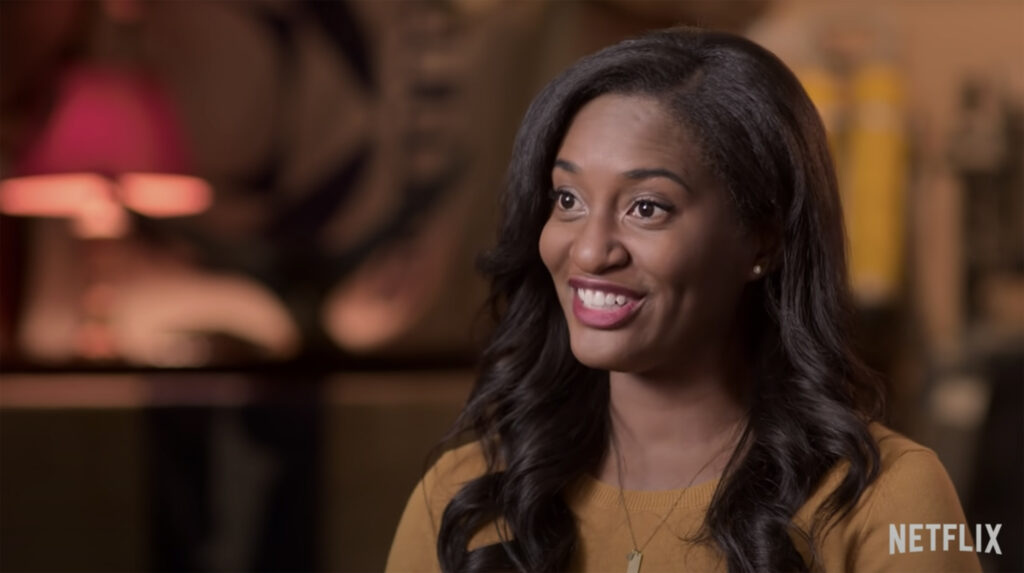
Barrientos appeared in the Netflix documentary White Hot: The Rise & Fall of Abercrombie & Fitch.
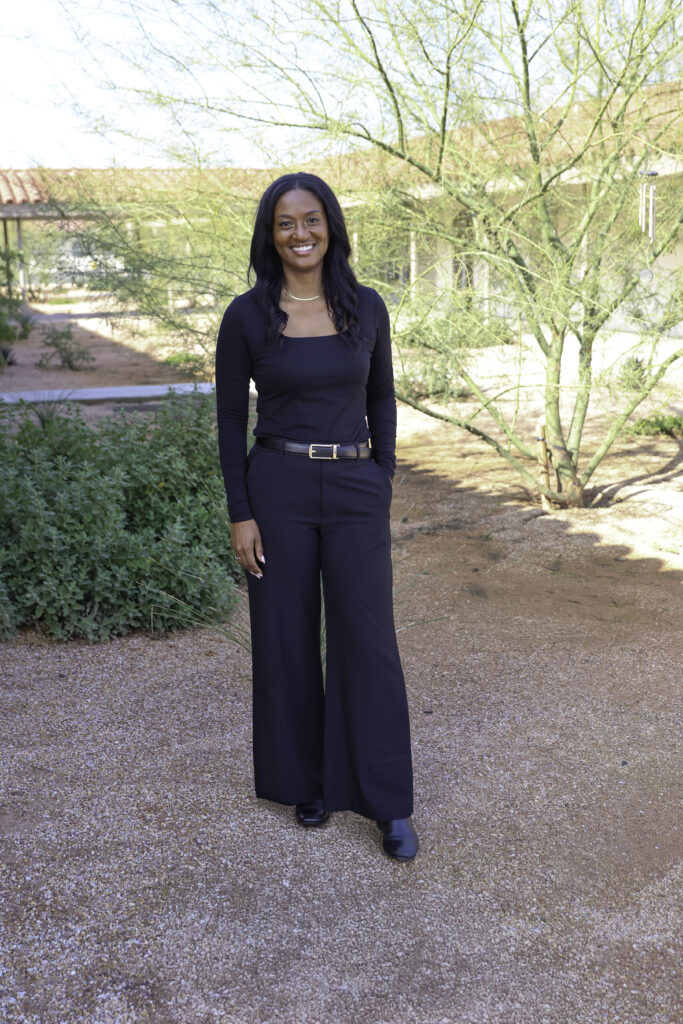
“It’s a really great thing to know that a company won’t be able to treat anyone like a second-class employee anymore.”
Coming Full Circle Through Mentorship
When Mylum Nicholson first stepped into a special education classroom, it wasn’t part of a long-term plan. It was a pivot made during the uncertainty of the 2008 recession — one that would ultimately define his career.
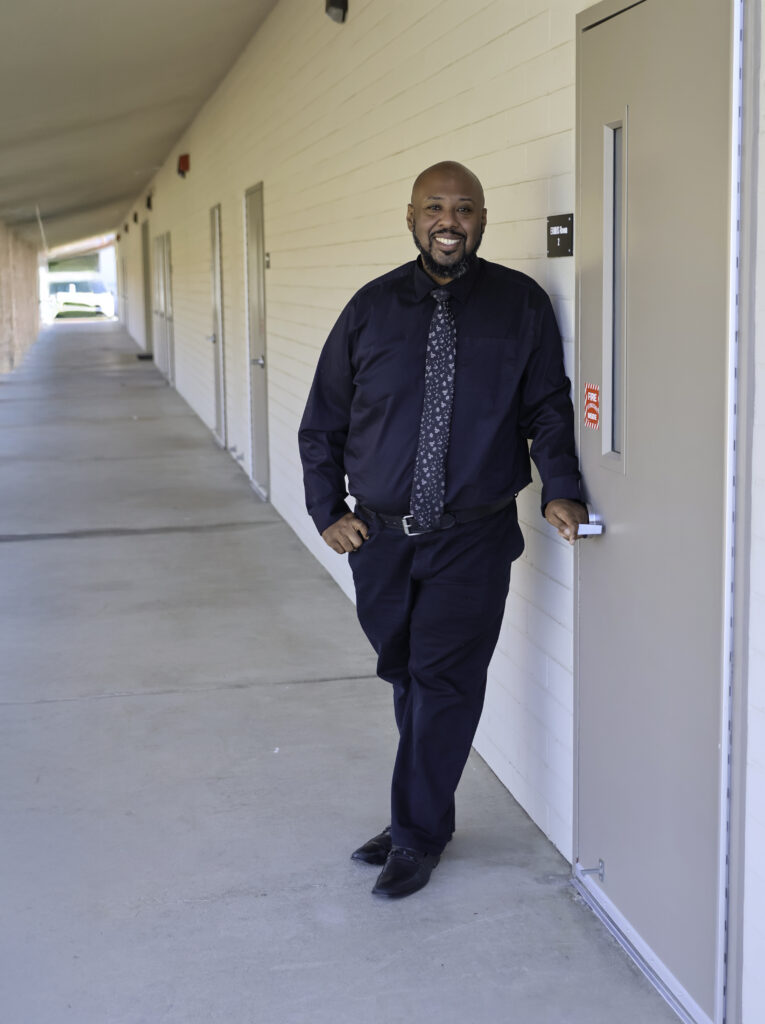
After graduating college into a struggling job market, Nicholson applied for a substitute instructional aide position at KCSOS through a connection from his mother. After rotating through several sites, he began working consistently at Aurora Learning Center, where he found both purpose and direction.
“Almost 16 years later, I’m now an administrator of the same program,” Nicholson said.
Nicholson serves as Vice Principal for Internal Special Education Programs in Region 2, supporting students and staff across the central region of Kern County. His role includes coordinating services for students with complex needs and assisting with placements for students who are Deaf or Hard of Hearing and those with Emotional Disabilities.
Early in his teaching career at Aurora, Nicholson met Barrientos, who served as his mentor teacher. He credits her with helping him develop strong classroom structure, effective behavior management strategies, and confidence in his instructional practice.
Those early lessons continue to guide Nicholson’s leadership today. While he once measured success by what happened inside his own classroom, he now finds meaning in supporting teachers as they grow and in seeing students succeed over time — even when progress is incremental.
Throughout his career, Nicholson says he was shaped by mentors who challenged him to think intentionally about student outcomes and encouraged him to step into leadership roles. In addition to Barrientos, he was quick to thank KCSOS colleague Judith Noack, who provided Nicholson with his first opportunity as a teacher within her program.
“I probably would not have gone back to college to obtain my administrative credential without those experiences,” he said.
For educators at the start of their careers, Nicholson encourages patience and self-compassion, noting that the first year can be overwhelming as new teachers begin to grasp just how much there is to learn. By the third or fourth year, he says, many start to feel more confident, grounded, and established in their roles.
“It’s important to give yourself grace while you’re figuring it out,” he added.

Quiet Leadership Behind the Scenes
For Shinique Hammett, leadership has taken a different — but equally impactful — form.
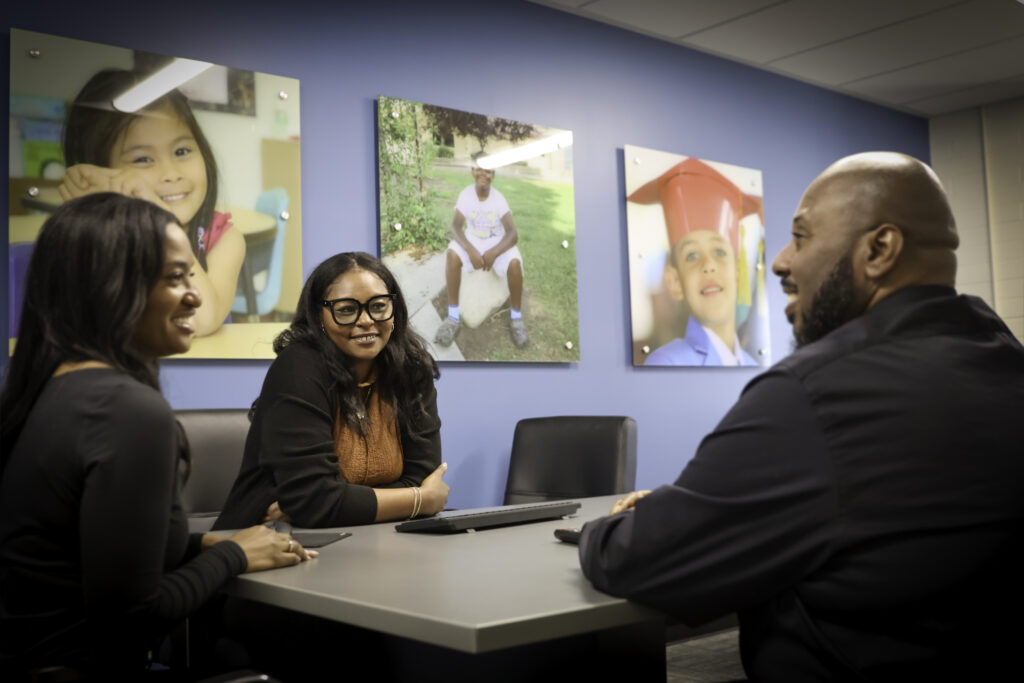
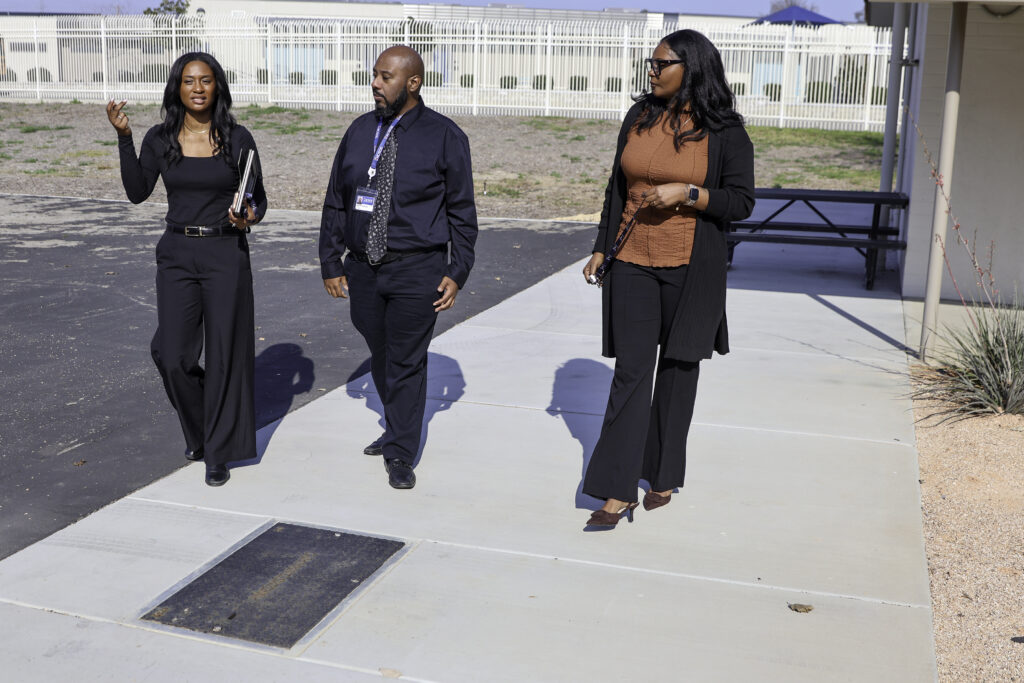
Hammett currently serves as a School Secretary supporting approximately 28 service providers in the SELPA department. Her role focuses on ensuring smooth daily operations through clerical support, accurate records management, consistent communication with families, providers, and districts, and administrative assistance that allows teams to focus on students.
“What I’m most proud of is being someone my team can rely on,” Hammett said. “Knowing that my work helps remove stress from others and allows them to focus more fully on students is very meaningful to me.”
Hammett’s path into education was driven by her love of learning and connection with students, particularly in special education settings where relationships and small victories matter deeply. She first joined KCSOS in 2014, later returning in 2024.
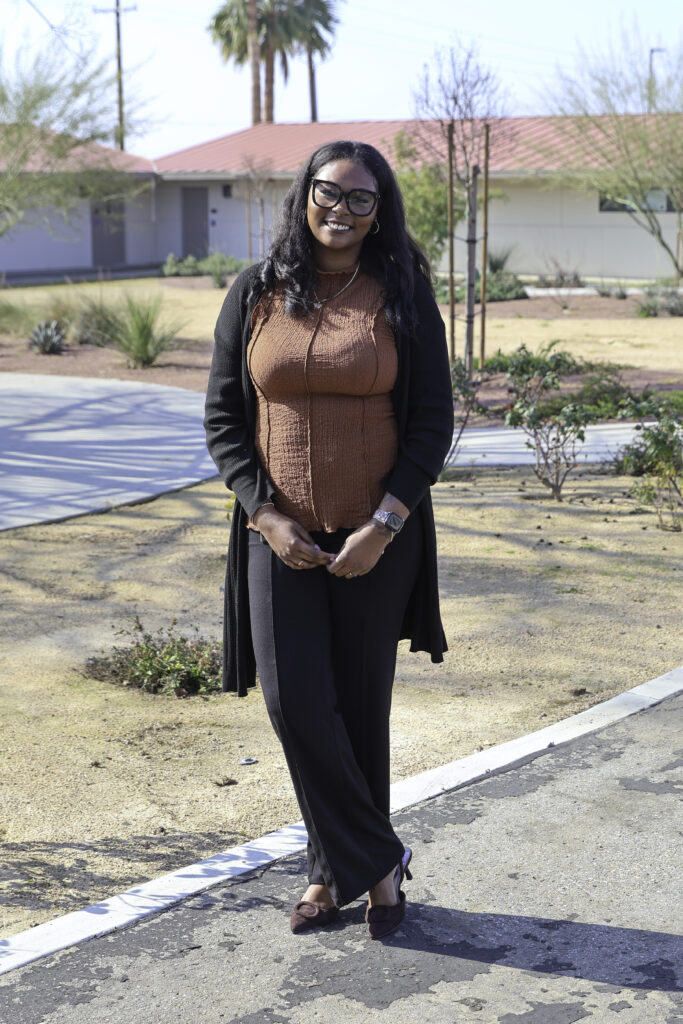
“Don’t let someone else’s doubt or limitations define what you can achieve. Stay curious, ask questions, take risks, and trust yourself. Every challenge is an opportunity to learn, grow, and discover just how capable you really are.”
— Shinique Hammett
During her early years at Aurora Learning Center, Hammett met Barrientos — an experience that left a lasting impression.
“Even then, watching her in action left a mark,” Hammett said. “Her poise, leadership, and dedication to lifelong learning encouraged me to stand tall, take risks, and always strive to grow.”
Hammett continues to carry those lessons into her daily life. As she raises her 13-year-old daughter, she draws on Barrientos’ example to model confidence, resilience, and inner strength. For example, everything can be discussed or reframed.
“One of Carla’s mantras has stayed with me: all ‘no’s’ are negotiable,” she said. “It’s something I carry with me in my work and in life.”
Hammett also credits personal challenges, including serious health experiences, with shaping her perspective and reinforcing the importance of determination, empathy, and perseverance — qualities she brings to her role every day.
That perspective has shaped how Hammett approaches her work and the way she shows up for others — with steadiness, intention, and a belief in growth, even during difficult moments. For Hammett, the lessons she has carried forward are as much about mindset as they are about skill.
“Don’t let someone else’s doubt or limitations define what you can achieve,” she said. “Stay curious, ask questions, take risks, and trust yourself. Every challenge is an opportunity to learn, grow, and discover just how capable you really are.”

By Robert Meszaros
Rob Meszaros is Director of Communications for the Kern County Superintendent of Schools, where he has served since 2012. In his role, Meszaros oversees media relations, internal and external communication strategies, publications, Marcom, branding, and multi-media content creation. Before joining KCSOS, Meszaros was the PIO for CSU Bakersfield and earlier worked for seven years at The Bakersfield Californian.