
Making Nature Accessible: Students with Special Needs Attend Camp KEEP
Thursday June 25, 2026
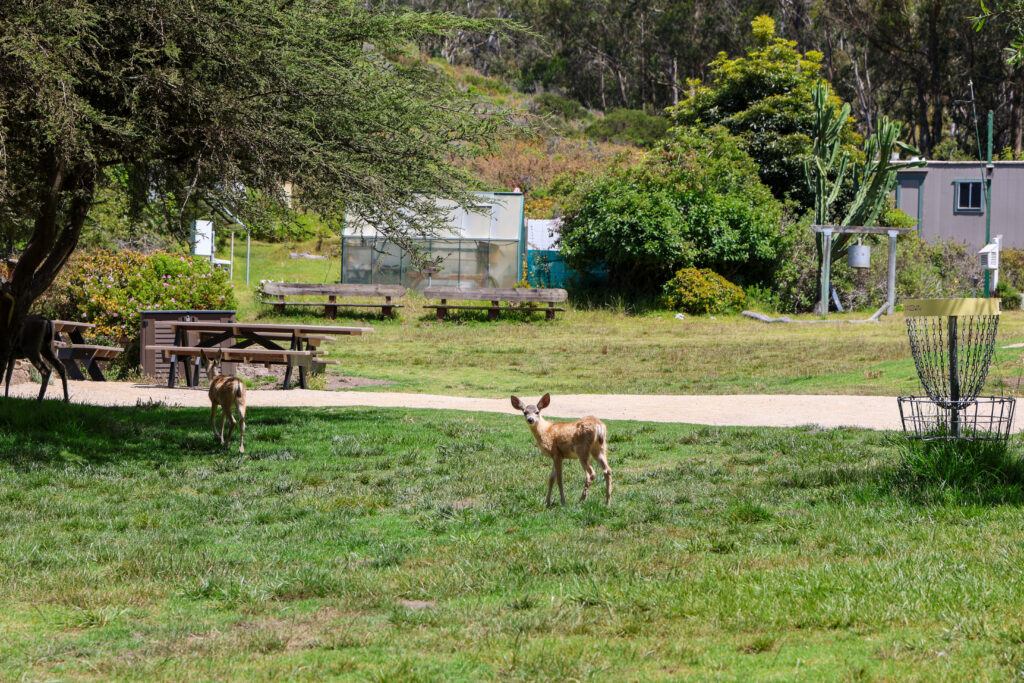
Amother deer and her two young fawns stood quietly near the trail as students in KCSOS’s Special Education program arrived at Camp KEEP Ocean last week. For many of the students, it was their first opportunity to experience the coastal outdoor education campus, setting the stage for a day filled with exploration and hands-on learning.
Justin Thompson, Senior Director of Special Education, explained the significance of the trip, noting that many students in the program are unable to participate in Camp KEEP’s traditional week-long overnight experience.
“Our students don’t typically get the opportunity to attend Camp KEEP, so we wanted to find a way to make the experience accessible,” Thompson said. “This gave them the chance to get out of town, experience everything Camp KEEP has to offer, and participate in the activities without having to stay overnight.”
By the end of the day, that goal had been fully realized as students immersed themselves in the sights and sounds that make Camp KEEP so special.
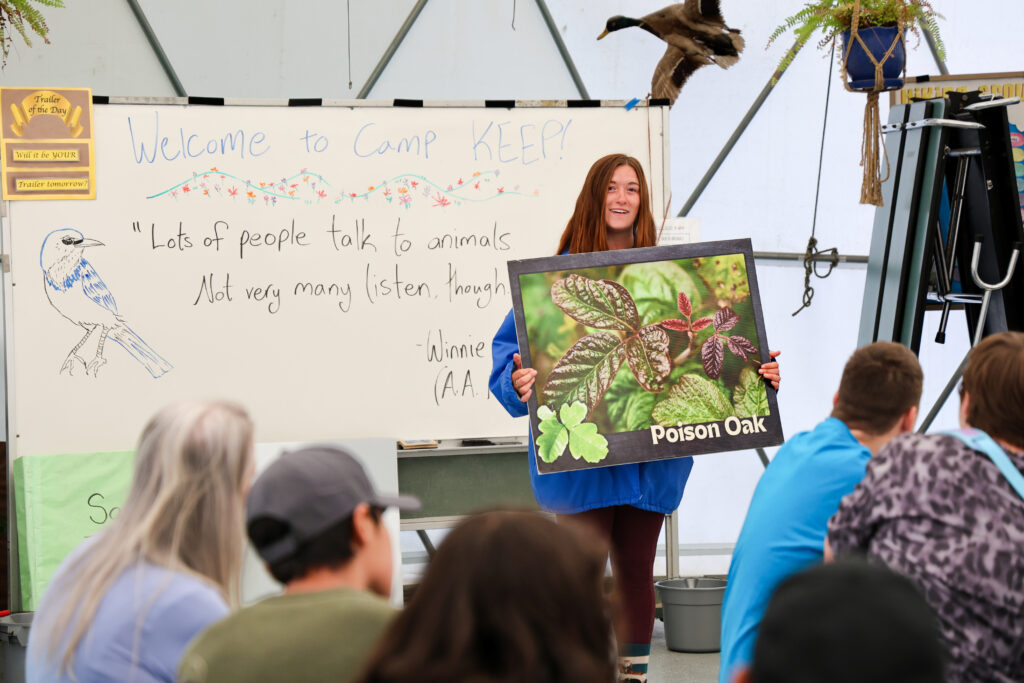
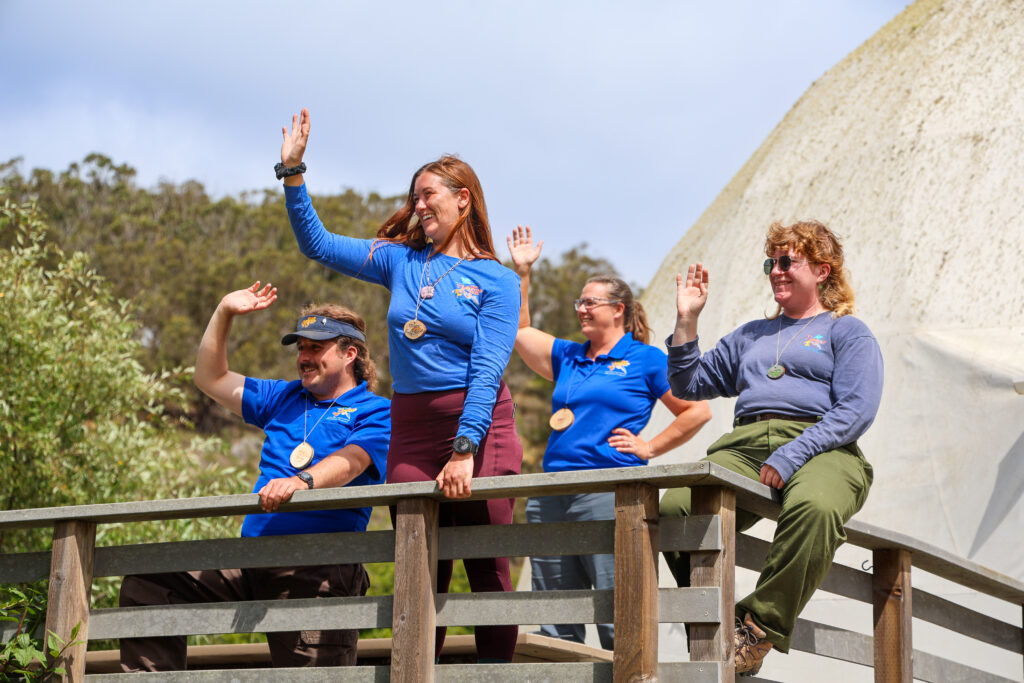
The day began with students meeting the lead naturalists who would guide their adventures — known by their nature names: Gator, Otter, Quail and Kangaroo. After singing a few songs together, the naturalists introduced students to important plants and animals they might encounter, including poison oak and ticks, helping prepare them for a day of hikes.
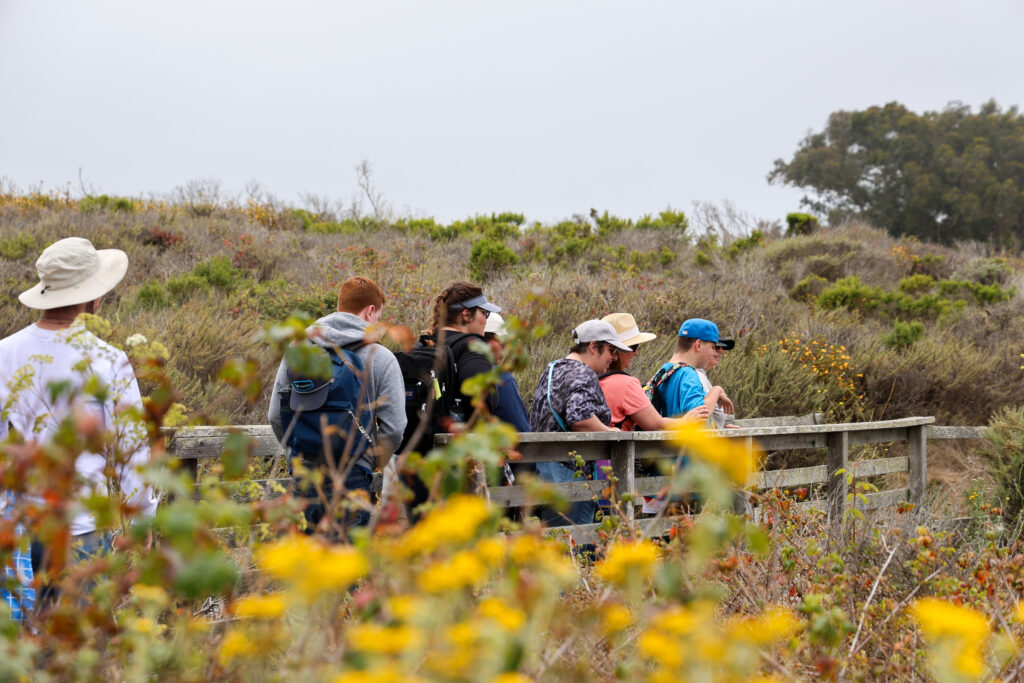
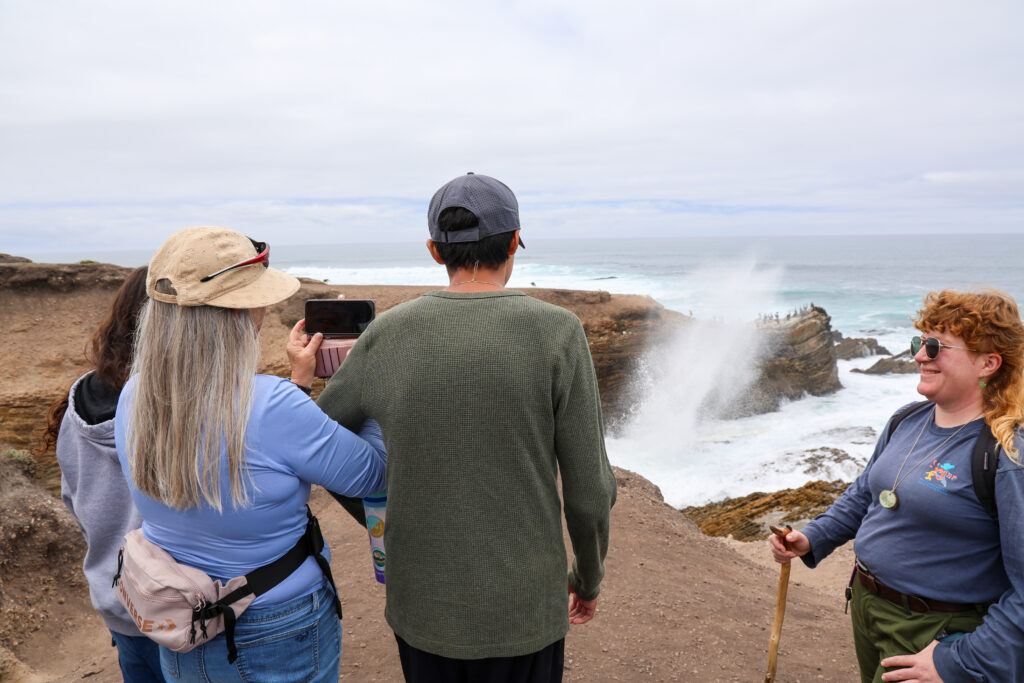
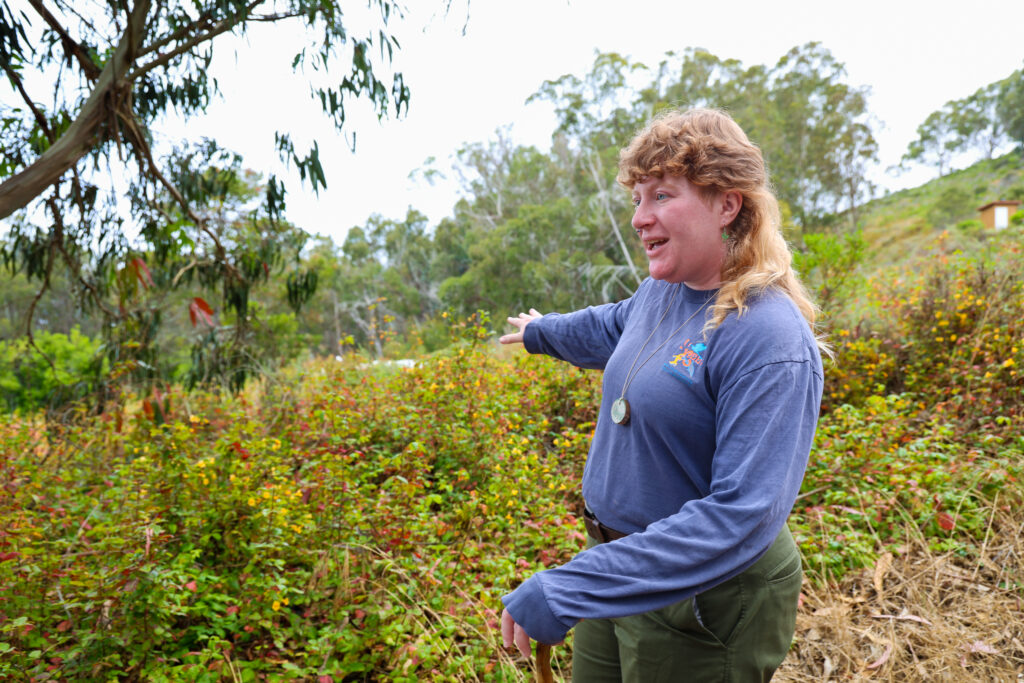
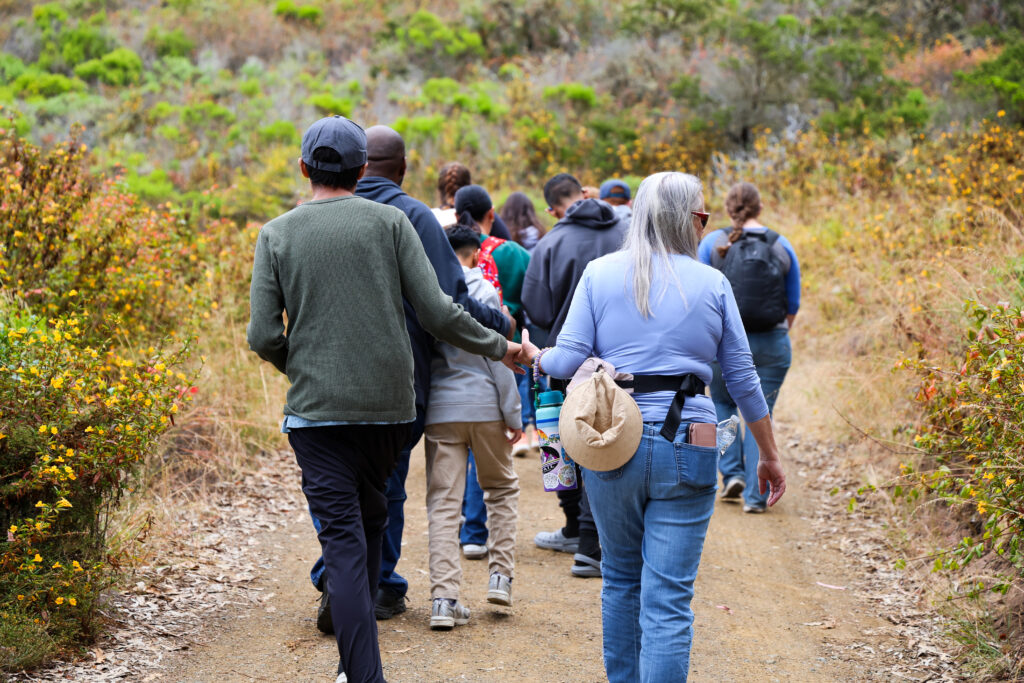
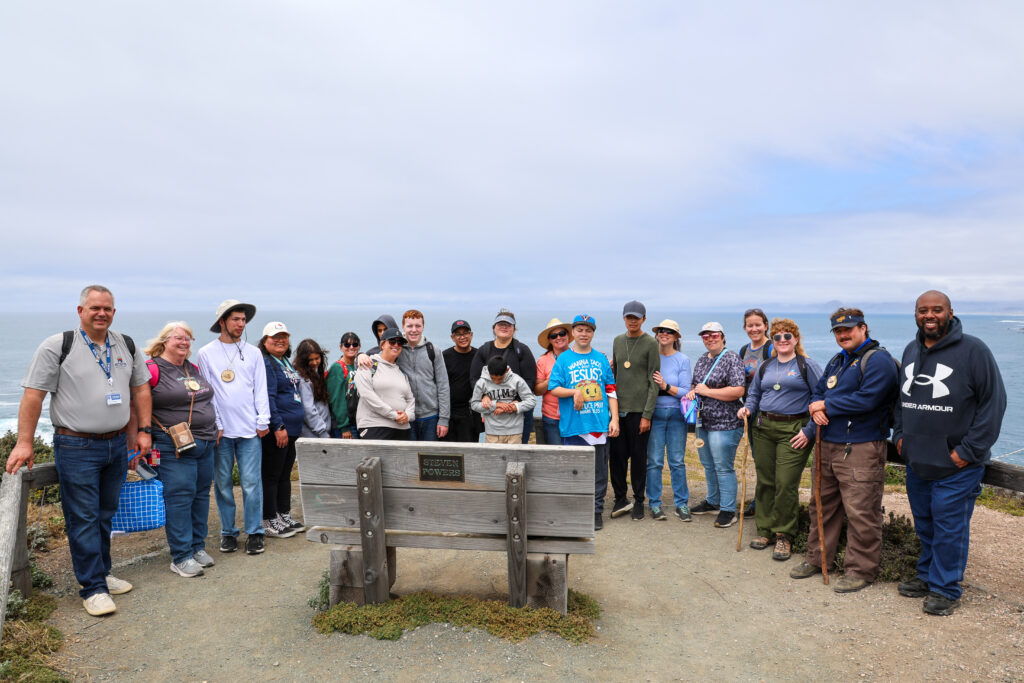
The group’s first trek led them to an overlook above the ocean, where students encountered many of the plants and insects they had just learned about. Along the way, they examined wildflowers that were safe to touch and stopped to take selfies while enjoying sweeping views of the coastline.
For student Cayden, one of the day’s highlights came after the hike when he helped cool off teacher aides and Lead Naturalist Otter with a spray bottle before the group headed into the Discovery Room.
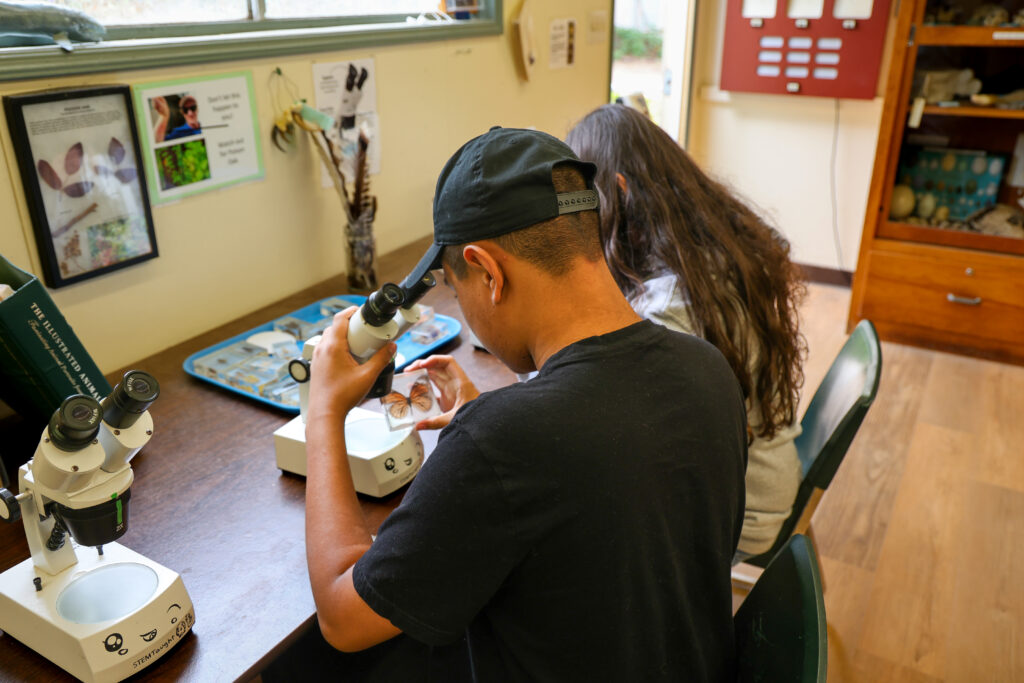
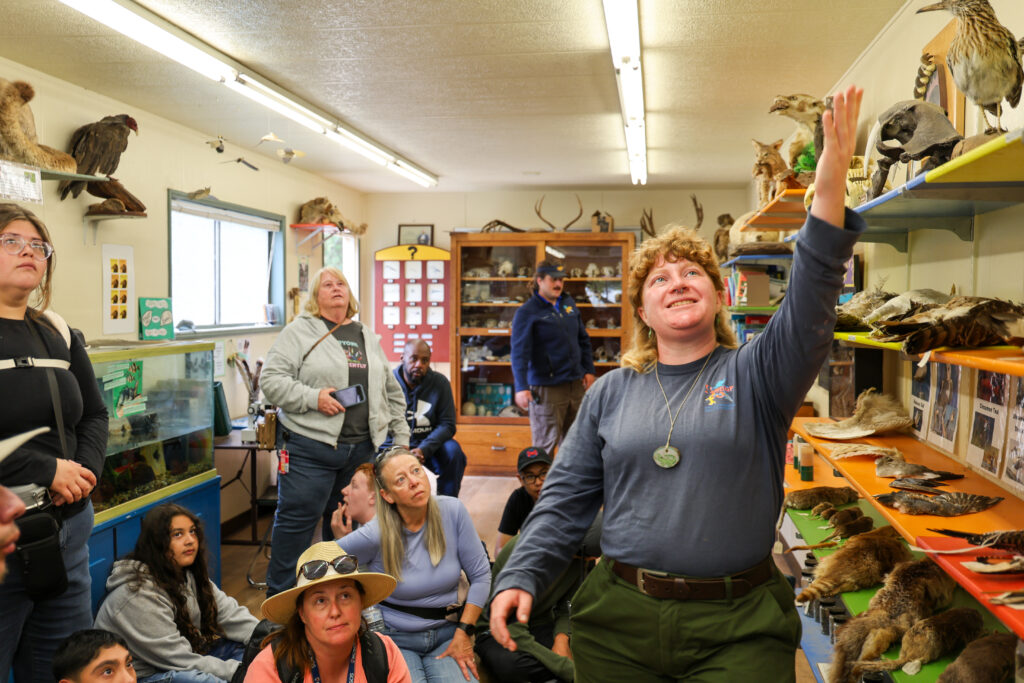
Inside, Lead Naturalist Gator introduced students to a collection of local plants, insects, animal pelts, skeletons and preserved specimens before inviting them to explore the room for themselves. The hands-on experience sparked curiosity as students moved from exhibit to exhibit, asking questions and making discoveries of their own.
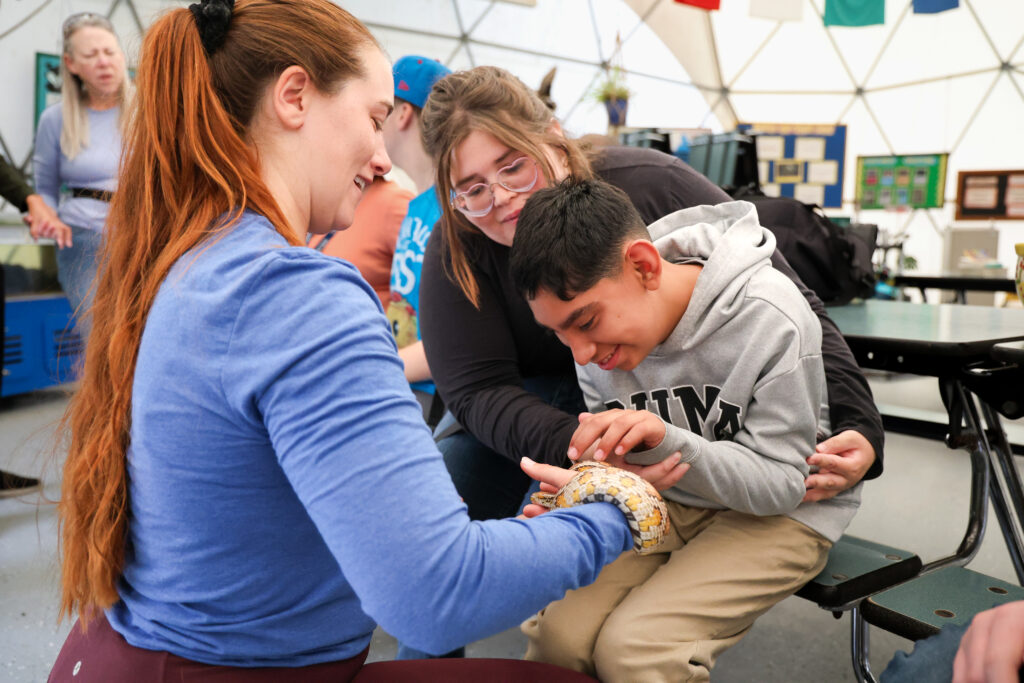
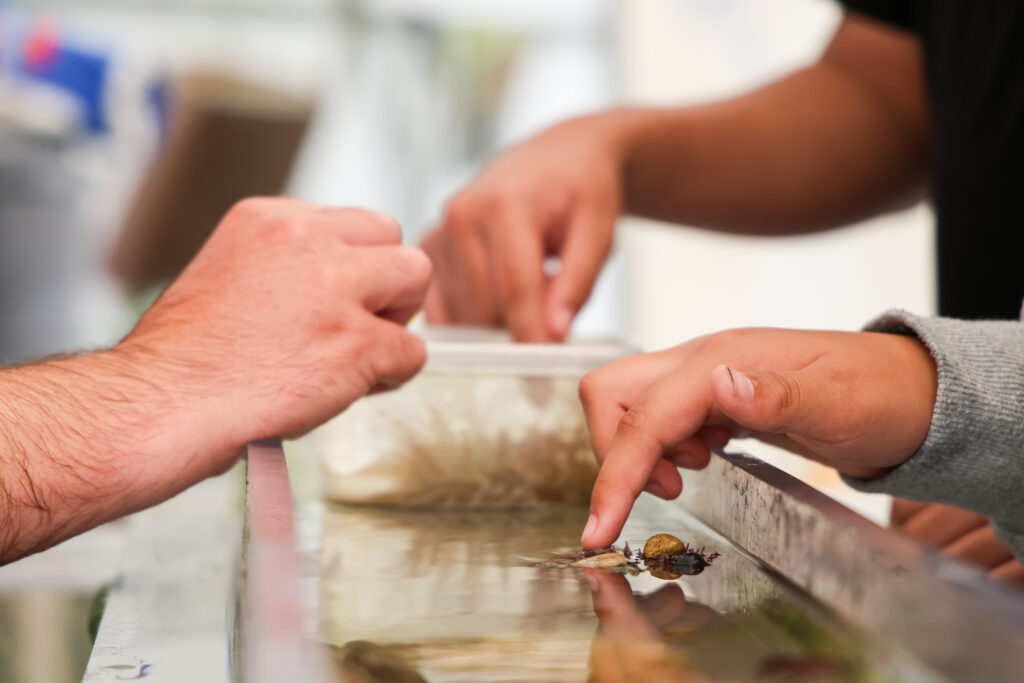
Not long afterward, the group returned to the dome, where they met live snakes and explored marine life through the touch tank.
“What’s so cool about science education is that it isn’t focused on just one sense,” Otter said. “Students can touch, smell, listen and observe. In the touch tank and with the snake, students were able to physically experience things they might otherwise only learn about in a book.”
That approach proved especially meaningful for one student with a visual impairment. Throughout the day, naturalists encouraged students to share their observations by asking a simple question: “What are you noticing?” According to Gator and Otter, that student often identified details before anyone else.
“He had some really great moments,” they recalled. “He’d say things like, ‘I smell the ocean — we must be close to the sea,’ or ‘I can feel the wind, so I know we’re getting close to the beach.’”
After lunch, students and staff loaded into two vans and traveled to Spooner’s Cove, where they embarked on their second hike of the day.
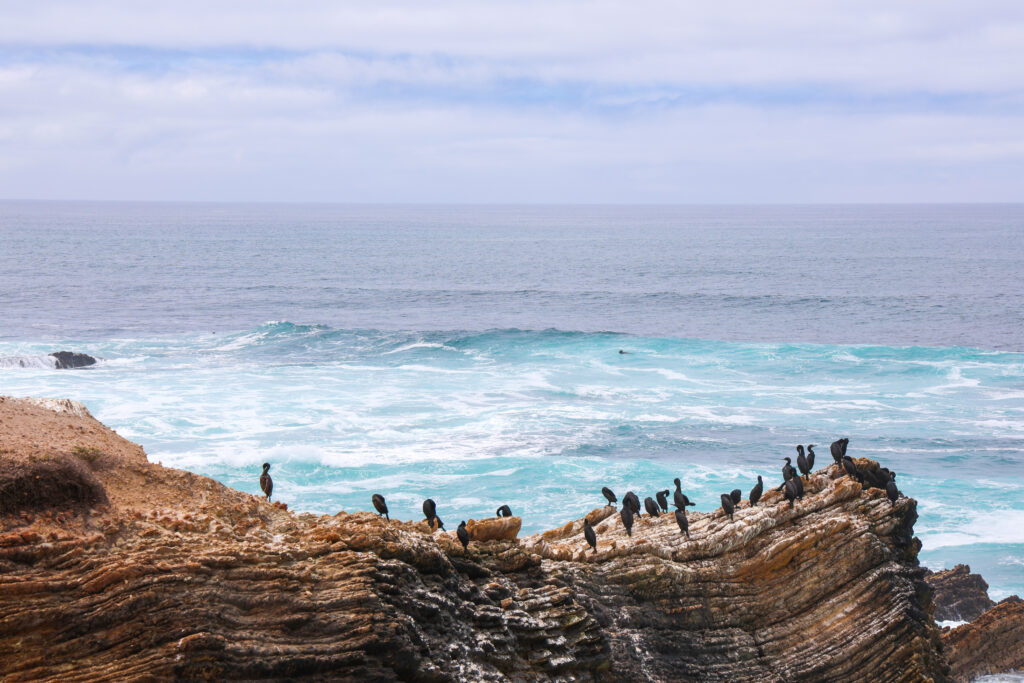
With so many plants and scenic views along the trail, students frequently stopped to admire the crashing waves below before reaching their final destination — a natural blowhole. Nearby, an otter could be seen surfing through the waves, adding another unexpected wildlife encounter to the day.
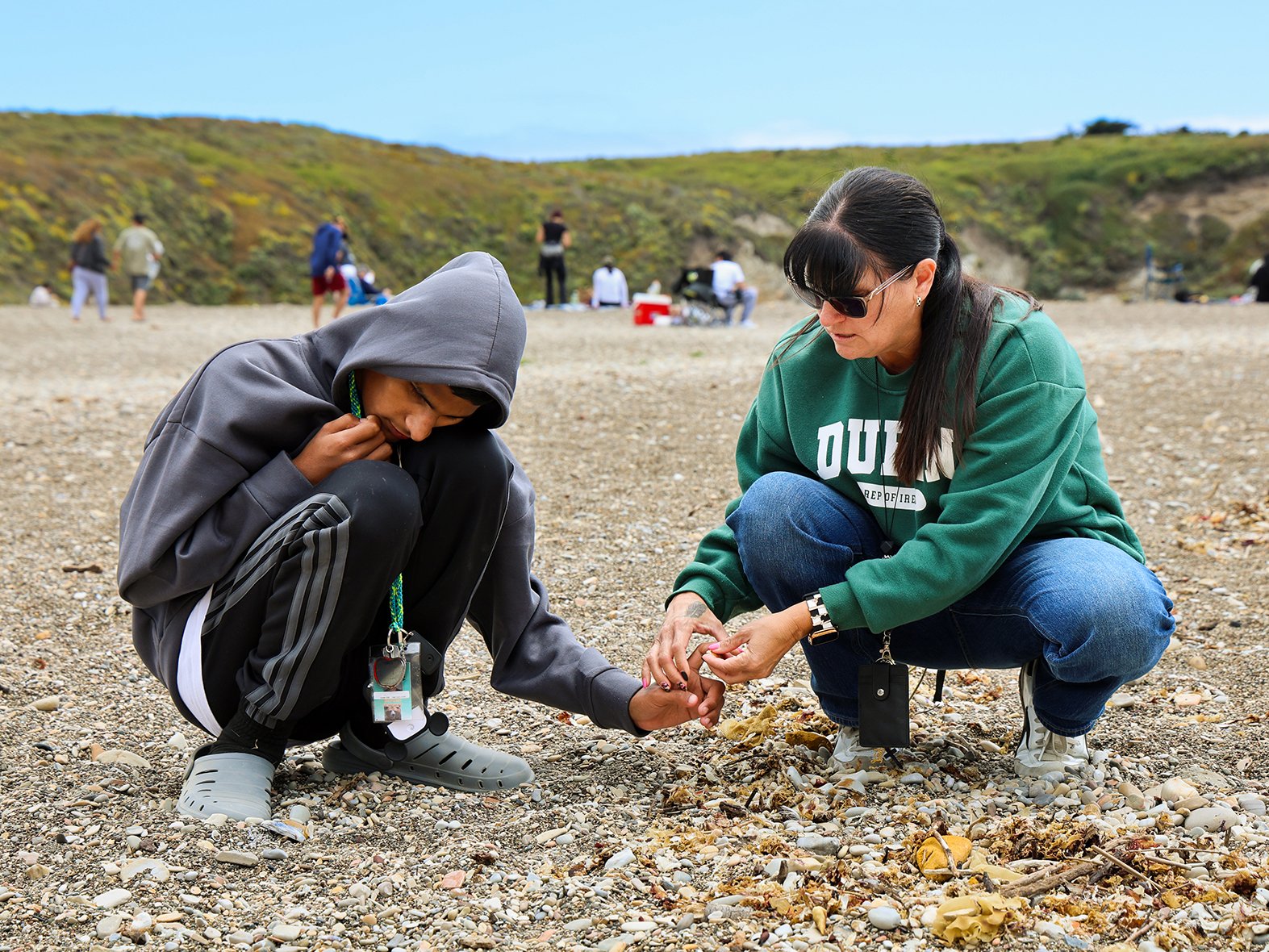
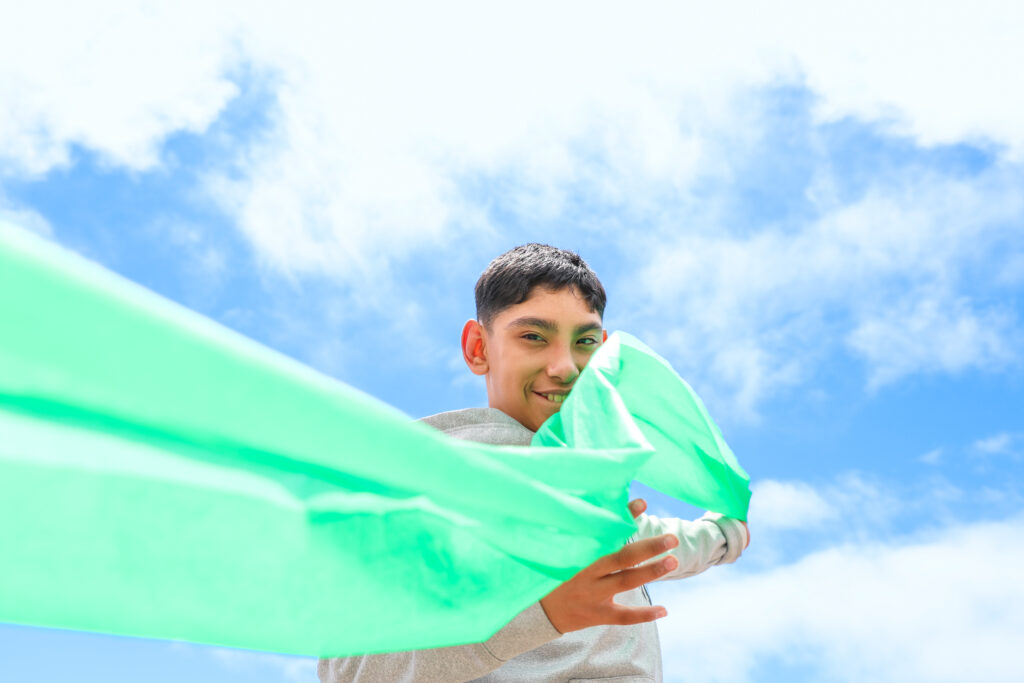
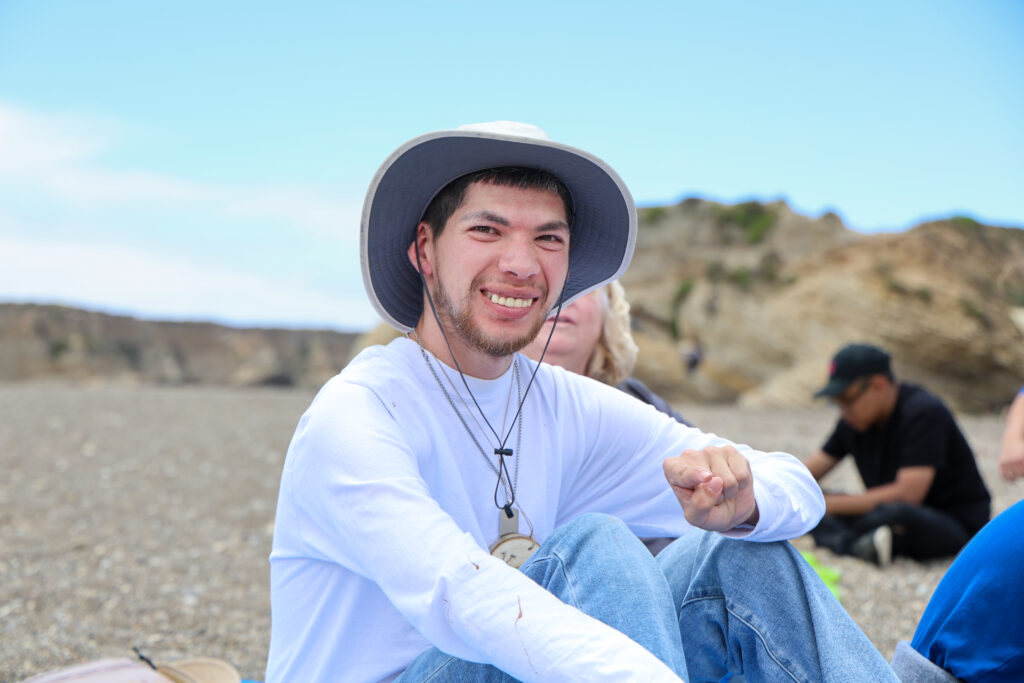
Tired from the day’s adventures, some students relaxed on the beach while others searched for shells among the rocks, dipped their hands into the cool ocean tide, or fashioned a makeshift kite from sticks and plastic sheeting.
“I put my hands out in the water and I really liked that,” said Colt, a student in the program. “I’m really glad we did that.”
After piloting the experience with a small group of students last summer, organizers expanded and tailored this year’s curriculum to provide a more complete Camp KEEP experience. The program’s success is also inspiring discussions about creating a similar opportunity at CALM Zoo in the coming years.
Thompson said the individualized attention students received from Camp KEEP staff played a key role in the program’s success.
“The naturalists are incredibly attentive to our students’ needs,” he said. “Being able to bring a small group and provide plenty of one-on-one interaction with both the naturalists and our staff helps make the experience seamless and successful.”
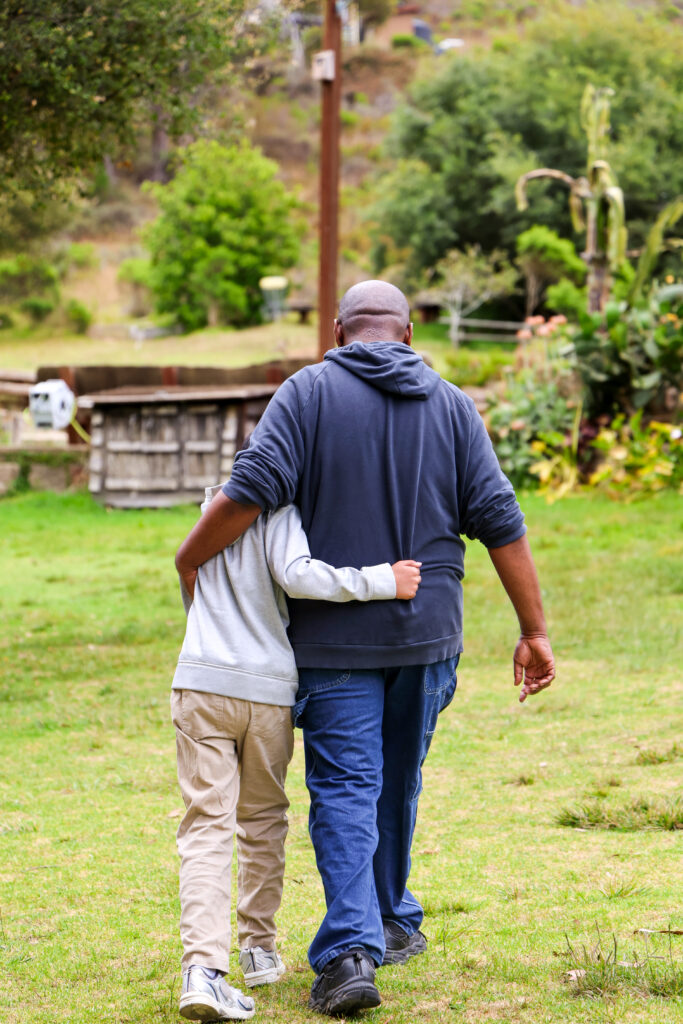
As the day came to an end, the same deer and fawns that greeted students that morning appeared once again, seemingly joining the naturalists in waving goodbye. Students boarded the vans tired but smiling after a day of exploration along the Central Coast.
“I’m personally so grateful that this is an opportunity for me to work, and also for different communities to experience our program,” Otter said. “I think it’s beautiful to make something like nature so accessible.”
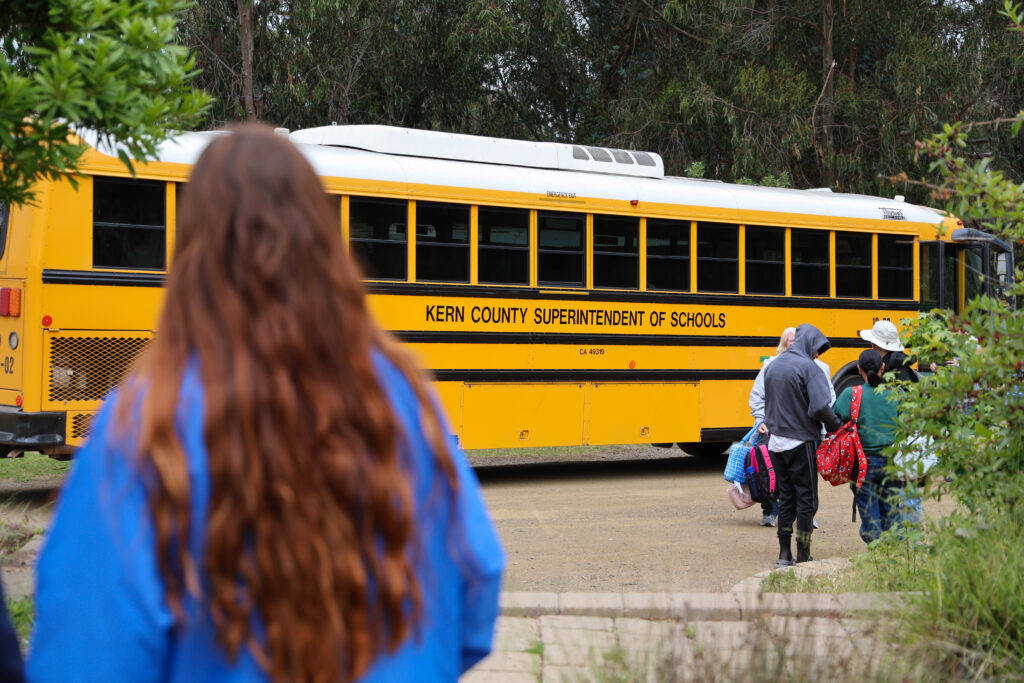
Photo Gallery

By Erin Pruitt
Erin Pruitt joined the Kern County Superintendent of Schools as a Communications Specialist in 2025. Before this role, Pruitt served as an Assistant Producer for KETN's Do the Math program since 2017, where she first discovered her passion for storytelling and community engagement in the field of communications.