
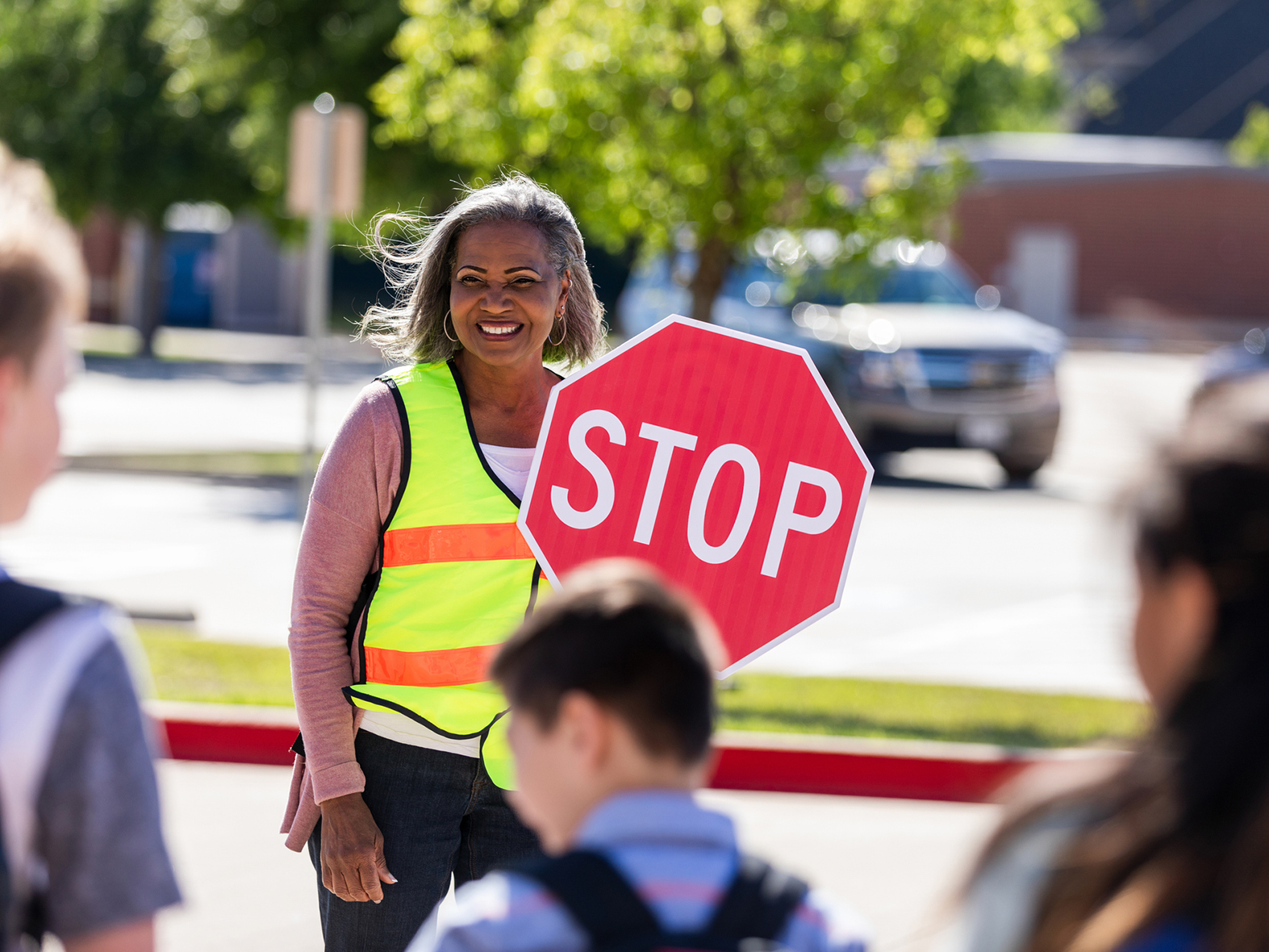
Summer days spent away from the classroom will soon come to an end as students return to familiar signs of a new school year: new faces, new routines, and new opportunities. Families will capture the morning with photos, hugs, and goodbyes as they watch their children accomplish a major milestone.
For the next several months, daily routines will shift. Earlier mornings, packed schedules, and the familiar rush to get everyone out the door will become part of everyday life for families across Kern County. Parents and caregivers will balance their own responsibilities while helping students start each day ready to learn.
In the middle of the morning rush, safety remains one of the most important priorities. From leaving home to arriving at school, every decision made behind the wheel, at a crosswalk, and along the sidewalk can make a difference. Simple habits like using appropriate car seats, slowing down in school zones, and staying alert help create safer environments for everyone.
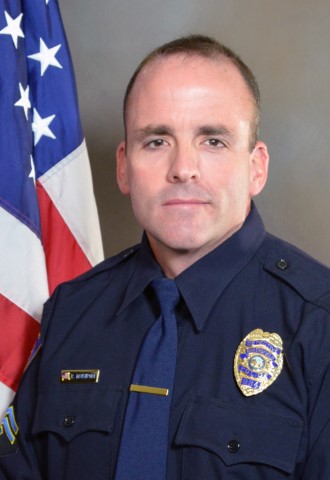
As students return to school, Kern County Superintendent of Schools encourages families to make safety part of their daily routine. Bakersfield Police Department Traffic Division Sergeant Rex Davenport shared practical advice with KCSOS to help parents, guardians, and caregivers keep school communities safe throughout the year.
Slow Down During the Morning Rush
The first week of school brings significantly heavier traffic around campuses as families adjust to new schedules. Driving fast is extremely dangerous and not worth the risk of seriously injuring your family and others, especially since all families will be caught in the traffic.
“Schools have probably two to four times as many cars out in front the first week of school,” Sgt. Davenport explained. “Just slow down. Leave the house five minutes early. There’s undoubtedly going to be tons more traffic that will take your errand two or three times longer.”
Avoid Double Parking Around Schools
Sgt. Davenport revealed that double parking is the most common traffic issue schools see during the back-to-school season. Double parking is when a car parks parallel to a car that is already parked alongside a curb. This often creates gridlock traffic, when cars cannot move in any direction at all due to the amount of traffic congestion.
Because the cars are stopped, pedestrians may feel comfortable walking between vehicles, creating a dangerous situation.
“Kids and adults feel a false sense of security walking through two lines of cars because it feels like two lines of defense, so they run through the cars quickly,” he said.
Double parking also makes the roadway narrower, leaving drivers with less space to react if something unexpected happens. If a driver needs to quickly swerve to avoid a pedestrian, another vehicle, or an object in the road, there may not be enough room to do so without hitting a double-parked car. This puts the double-parked vehicle, the people nearby, and other drivers at greater risk. Overall, double parking creates an unsafe environment for everyone around the school.
Instead, families should arrive early, remain patient, and park in an appropriate spot or use designated drop-off areas.
Children Learn by Watching Adults
One of the most effective ways to teach children safe habits is by modeling them every day.
“When your kids are with you, do what you want them to do when you’re not there,” Sgt. Davenport said.
For example, if families park across the street from school, they should take the time to walk their children to the nearest crosswalk instead of crossing in the middle of the street. Over time, children will begin to see those choices as normal behavior, making them more likely to continue making safe decisions when they begin walking independently.
Rely on Crossing Guards
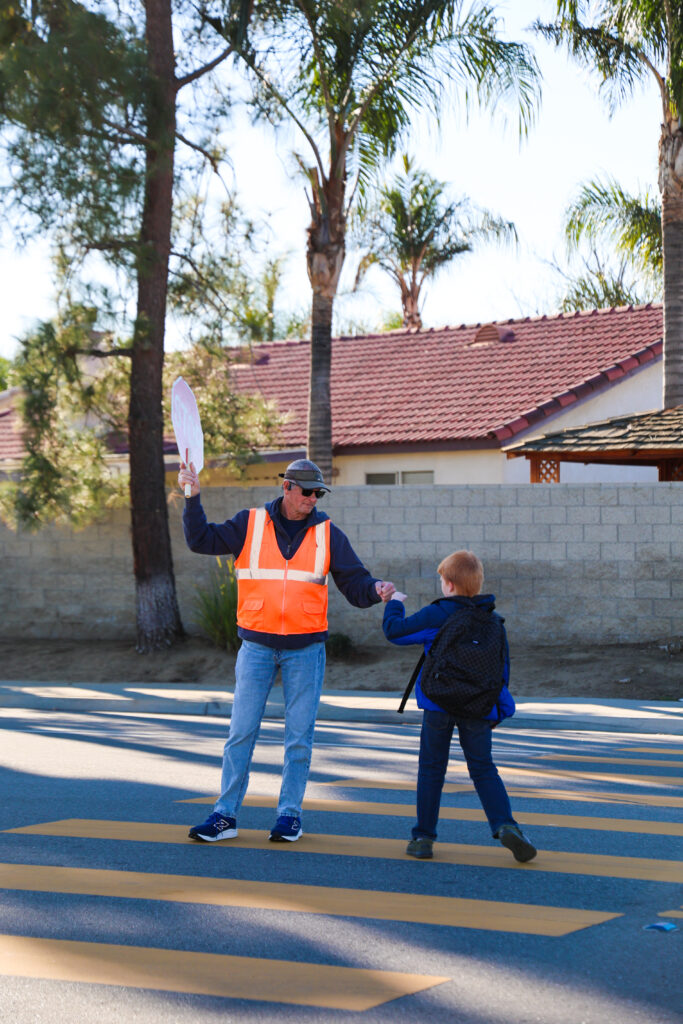
Crossing guards play an important role in helping students safely navigate busy streets before and after school. They serve as a familiar and trusted presence for students, with many even being former teachers, as KCSOS highlighted in a previous story.
” Crossing guards make a huge difference,” Davenport said. “They make our job quite a bit easier being involved if they’re actually passionate about it and engage. You get a lot of crossing guards out there that actually develop relationships with these kids, as far as the good mornings and the high fives, and kind of starting their day off right. And I think when you have crossing guards that do that, it encourages the kids to listen.”
Use Technology Wisely
Modern vehicles include many safety features designed to help prevent collisions, including backup cameras and blind spot monitoring systems. Sgt. Davenport encourages drivers to use these tools while remembering that technology is meant to assist drivers, not replace their awareness.
Drivers should continue to check mirrors and blindspots themselves, and carefully scan for children, cyclists, and pedestrians before moving their vehicles.
Teach Safe Walking Habits
Many children will soon begin the tradition of walking to and from school every weekday for the next 12 years. Pedestrian safety is just as important as vehicle and bicycle safety, and families should take the opportunity to discuss what it means to walk safely with limited distractions from phones and headphones.
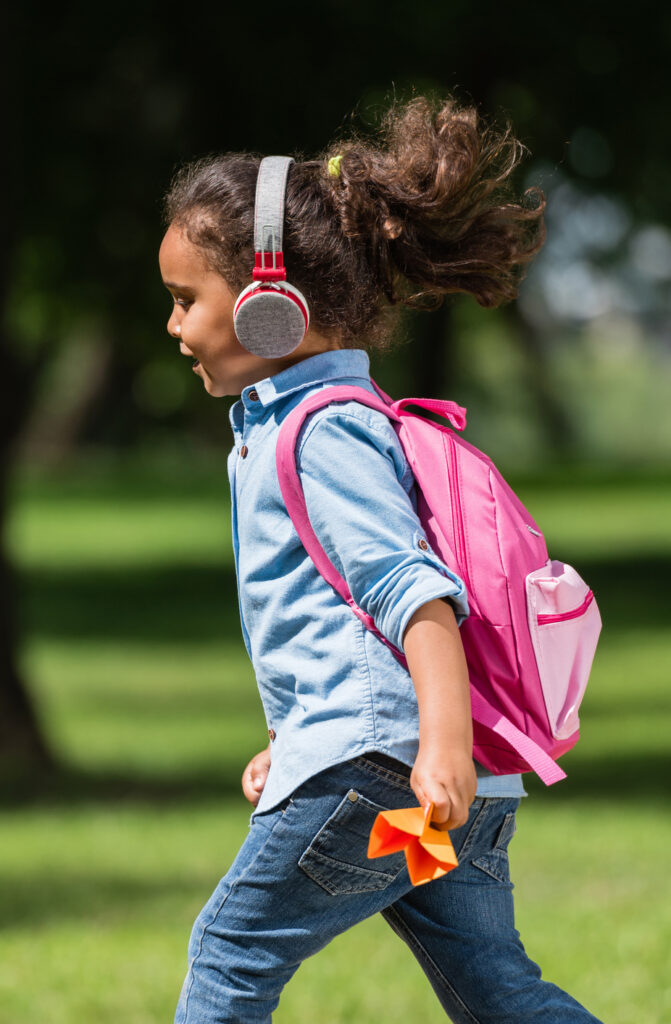
Sgt. Davenport recommends a simple exercise families can do together to demonstrate how headphones affect awareness.
A parent or guardian should be a lookout for cars during this exercise.
Take a walk on a sidewalk while listening to music through headphones. Walk against the direction of traffic and pay attention to the vehicles passing by. Notice how visible those vehicles are as they approach. They might not be as audible, but the pedestrian can see them coming.
Then, turn around and walk in the same direction as traffic. Pay attention to how different it feels when vehicles are approaching from behind, especially while wearing noise-canceling headphones. The difference in awareness can be significant. When pedestrians walk in the same direction as traffic while wearing headphones, they may not hear or recognize an approaching vehicle until it is too late.
Reducing distractions and staying aware of the surrounding environment can help make every walk to and from school safer.
Respect School Buses
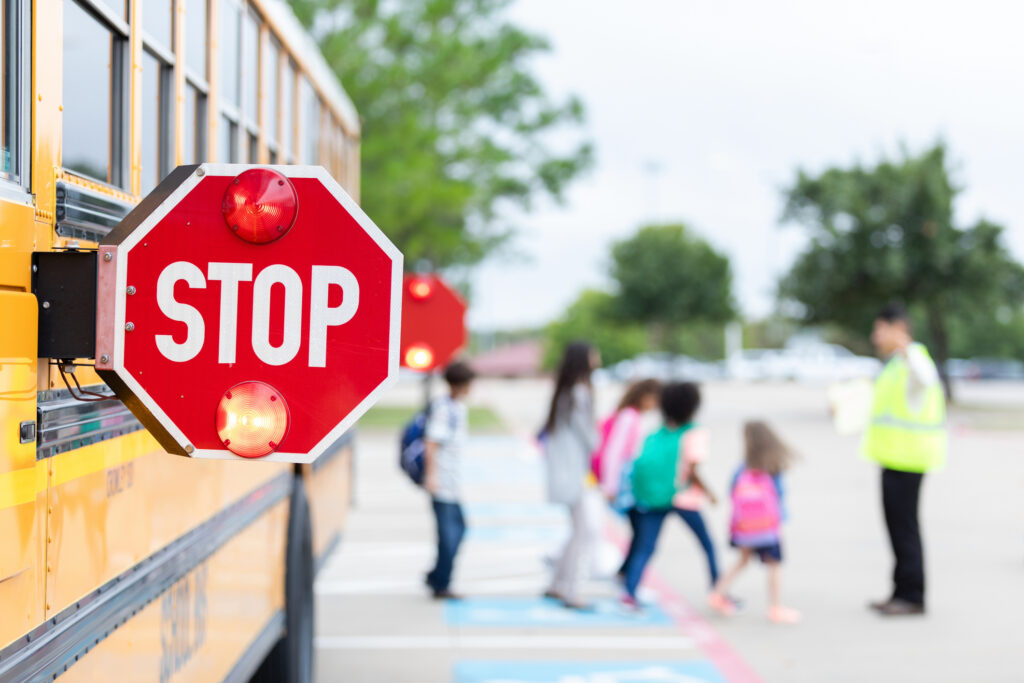
When a school bus stops to load or unload students, its extended stop sign and flashing lights require surrounding traffic to stop. The stop sign displayed by a school bus carries the same legal authority as a stop sign on any street. Drivers must remain stopped until the stop sign retracts and the flashing lights are turned off. Following these laws helps protect children who may be crossing the street after exiting the bus.
Understanding E-Bike and E-Scooter Laws
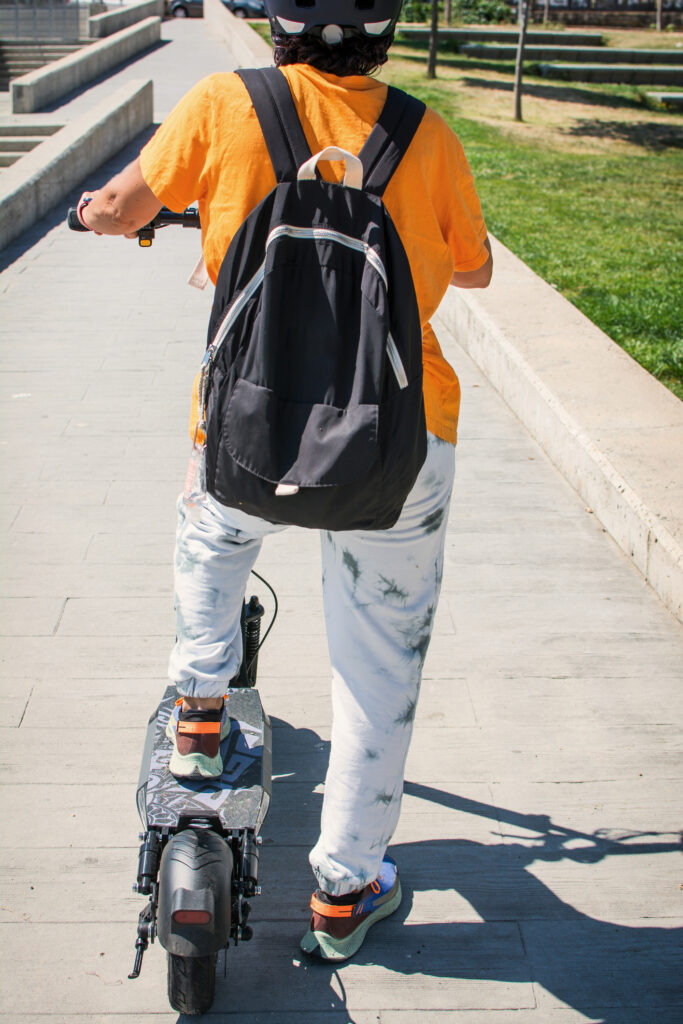
Electric bikes and scooters have become increasingly popular, but they also present growing safety concerns. Sgt. Davenport shared that the Bakersfield Police Department Traffic Division continues to see more children riding high-powered electric bikes that are not designed for public roads. Higher speeds can increase the severity of crashes, and many of these vehicles do not meet California’s legal requirements for operation on public streets.
E-bikes and e-scooters also come with specific legal requirements, including age restrictions, licensing requirements for certain vehicles, helmet laws, and rules about where they can be ridden. California law prohibits riding e-scooters on sidewalks, and e-bicyclists and bicyclists should understand local and state laws regarding sidewalk use.
Sgt. Davenport encourages families to understand California’s e-bike and e-scooter laws before purchasing an electric vehicle for a child. Knowing the requirements ahead of time can help families make safer decisions and prevent injuries.
Whether parents or guardians are dropping off their own child or driving through a school zone, actions taken each morning on the road affect the safety of everyone. When a community commits to looking out for one another, every student has a better chance of arriving at school safely and returning home safely at the end of the day.

By Natalie Hernandez
Natalie Hernandez joined the Kern County Superintendent of Schools as a Communications Specialist in 2026. She previously worked in Bay Area public relations, supporting education, government, health care, and nonprofit organizations. Hernandez is passionate about using storytelling to inform and engage the public.