
Stella Hills Elementary Wins Golden Bell for Attendance Success
Wednesday October 21, 2026
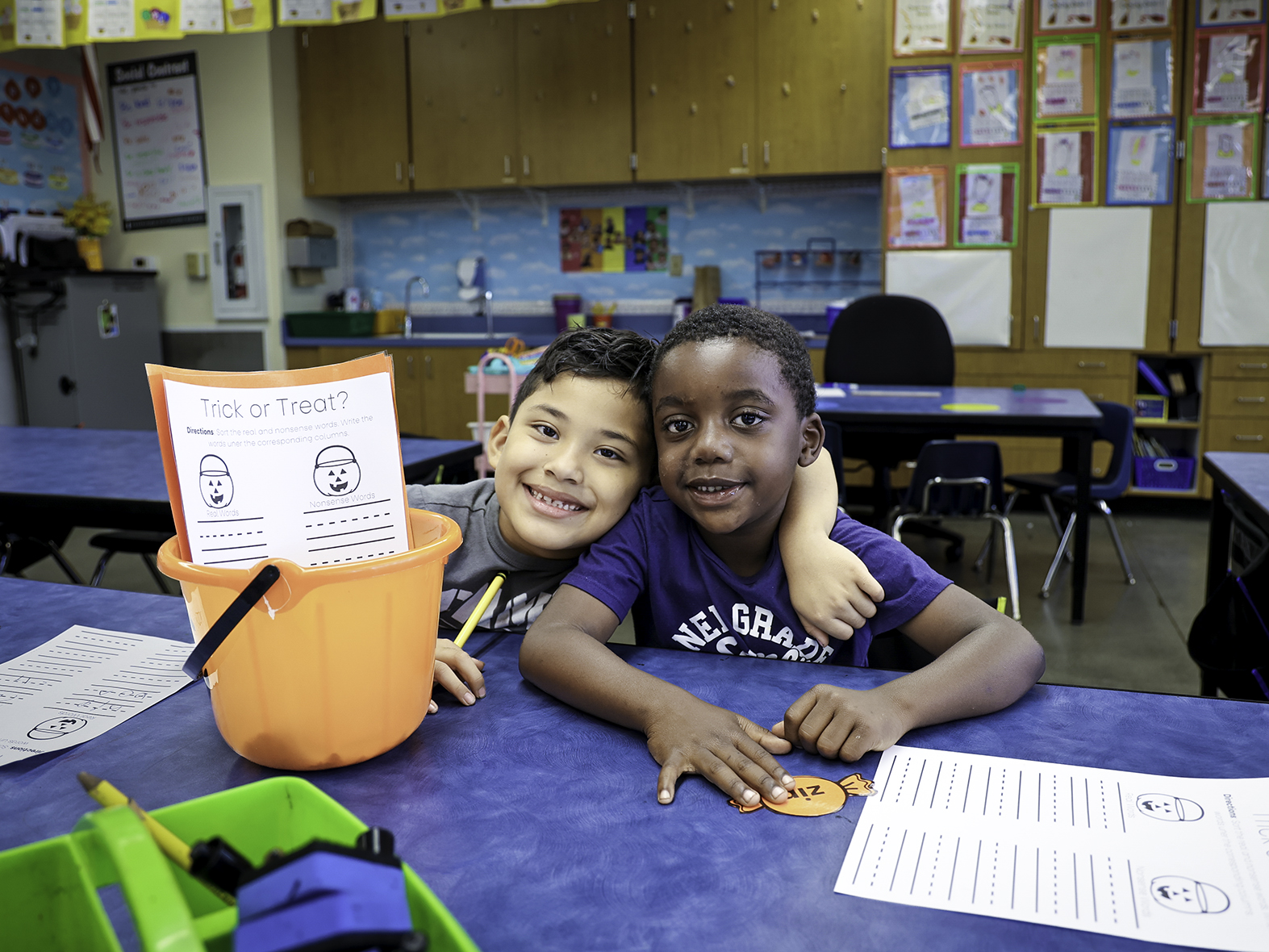
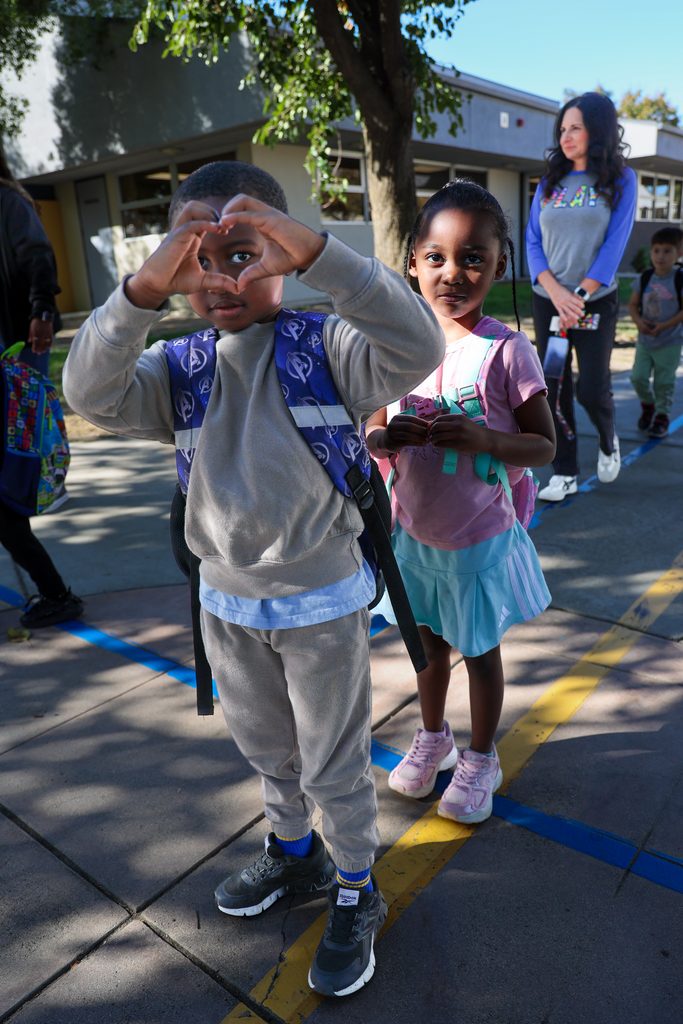
A student at Stella Hills shared some wise words on a Thursday morning as he prepared to head to class: “It’s important for kids to be in school every day because if they miss out on education, they won’t know. Like say, if you have a test, they won’t know what to do.”
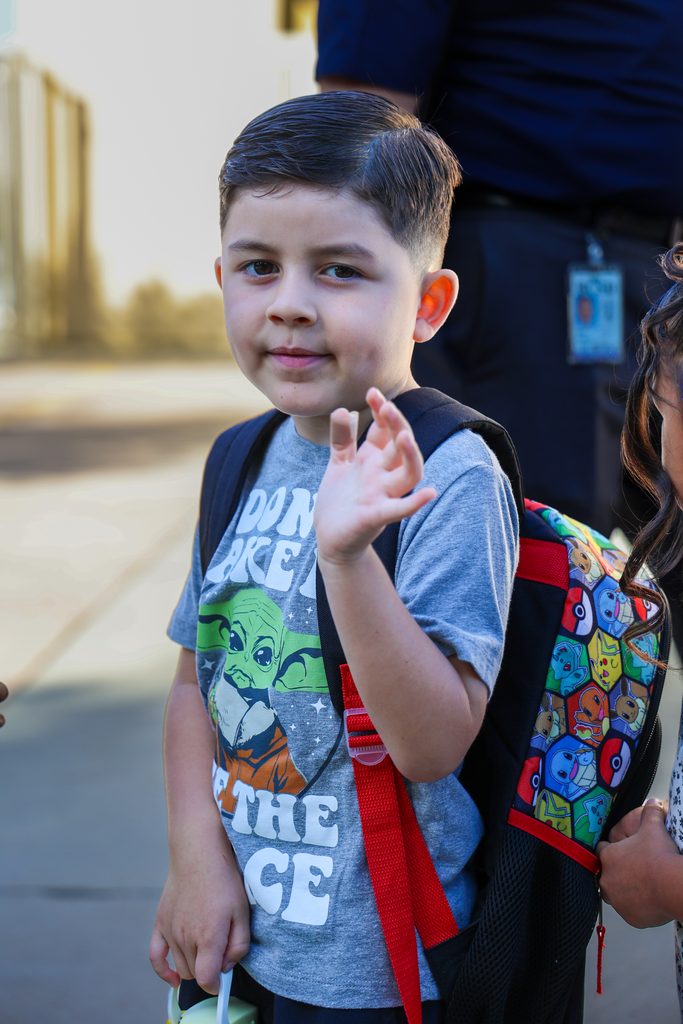
For some students, getting to school every day takes more than verbal encouragement. It takes a school willing to understand what’s keeping them home and help families overcome those barriers. It also takes some sweet prizes. At Stella Hills Elementary School, a multi-year attendance program helped families see the value of showing up and earned the school a Golden Bell Award, which recognizes outstanding educational programs and school board governance practices across California.
“We started working on our marketing style a little differently,” said Steve Robinson, Principal at Stella Hills Elementary School. “We made things fun and entertaining for the kids and tried to bring the families to school.”
Over five years, Stella Hills raised its daily attendance rate from 88% to 94% and reduced chronic absenteeism from 72% to 17% by connecting families with resources to meet basic needs and introducing a Golden Swag reward system. As students with chronic absenteeism began attending more regularly, staff had more opportunities to connect with their families and help them make school a priority.
The school’s attendance program combines daily monitoring, positive incentives, and family education. Students with perfect attendance receive “Golden Swag,” which includes items like bright yellow t-shirts, beanies, bendy pencils, earbuds, Crocs Jibbitz, and socks. The incentives encourage students to show up, while relationships at school give them another reason to keep coming back.
For families facing significant barriers, Stella Hills staff brainstorm ways to help. The school provides access to a washer and dryer, a campus wellness center, mental health support, and a “Walking School Bus” to help students get to school safely, since the school site does not have school buses.
“A lot of our students walk alone, and the parents get nervous about that,” said Associate School Social Worker Jessica Goldberg. “We’ve helped them develop different relationships so they can feel comfortable and walk in groups.”
With these supports in place, some students who once struggled with chronic absenteeism went on to achieve perfect attendance.
“The team here is great. It’s such a warm and loving environment. The kids are excited to be here. The staff are excited to see the kids. And so, why wouldn’t they want to come to school? It’s just it’s a loving environment that it’s a great place to be.”
— Jessica Goldberg
Associate School Social Worker at Stella Hills
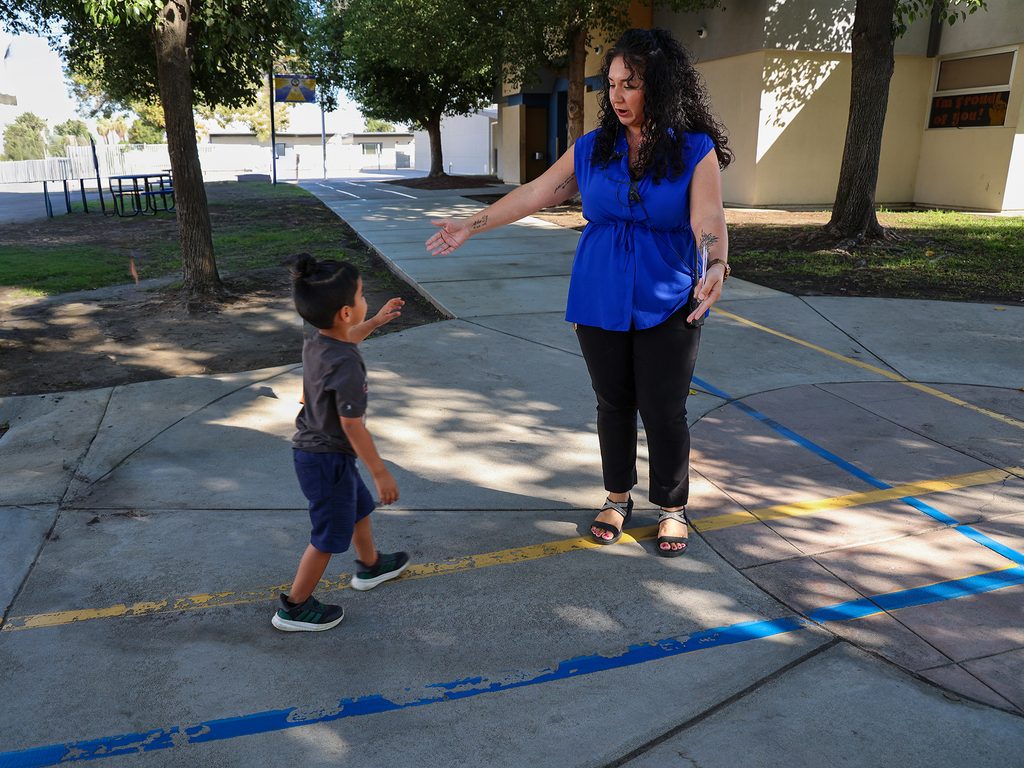
When staff, including the attendance clerk, notice a student missing school more often, they work with the school social worker to reconnect with the family. If Goldberg cannot reach a family, Vice Principal Jason Walker also makes home visits.
“At first when we started going to doors, [families] were like, ‘Why are you here? What do you want? What’s going on?’” Goldberg said. “But once we make that connection with them—‘We’re trying to figure out how we can get your kids to school because we want to see them succeed’—they open up their hearts. They open up their homes.”
Robinson credits the school’s attendance success in large part to its caring staff, who have built strong relationships with students and families and created a welcoming environment where children feel valued and want to come to school each day.
After five years of improving attendance, Stella Hills is not ready to stop.
“I think the great thing is that we haven’t grown complacent,” Walker said. “We’re not satisfied with the results that we’re at. We’re always asking… ‘How can we continue to drive down that chronic rate and improve our daily attendance?’”
The families who are positively impacted by the school’s attendance program are creating a roadmap for other families to use when trying to resolve their child’s chronic absenteeism.
“Having those families that really didn’t buy into bringing their kids to school—to making it a priority—that’s been huge for us,” Robinson said.


By Natalie Hernandez
Natalie Hernandez joined the Kern County Superintendent of Schools as a Communications Specialist in 2026. She previously worked in Bay Area public relations, supporting education, government, health care, and nonprofit organizations. Hernandez is passionate about using storytelling to inform and engage the public.