
Bridges Conference Connects Culture to the Structure of Language
Saturday November 7, 2026
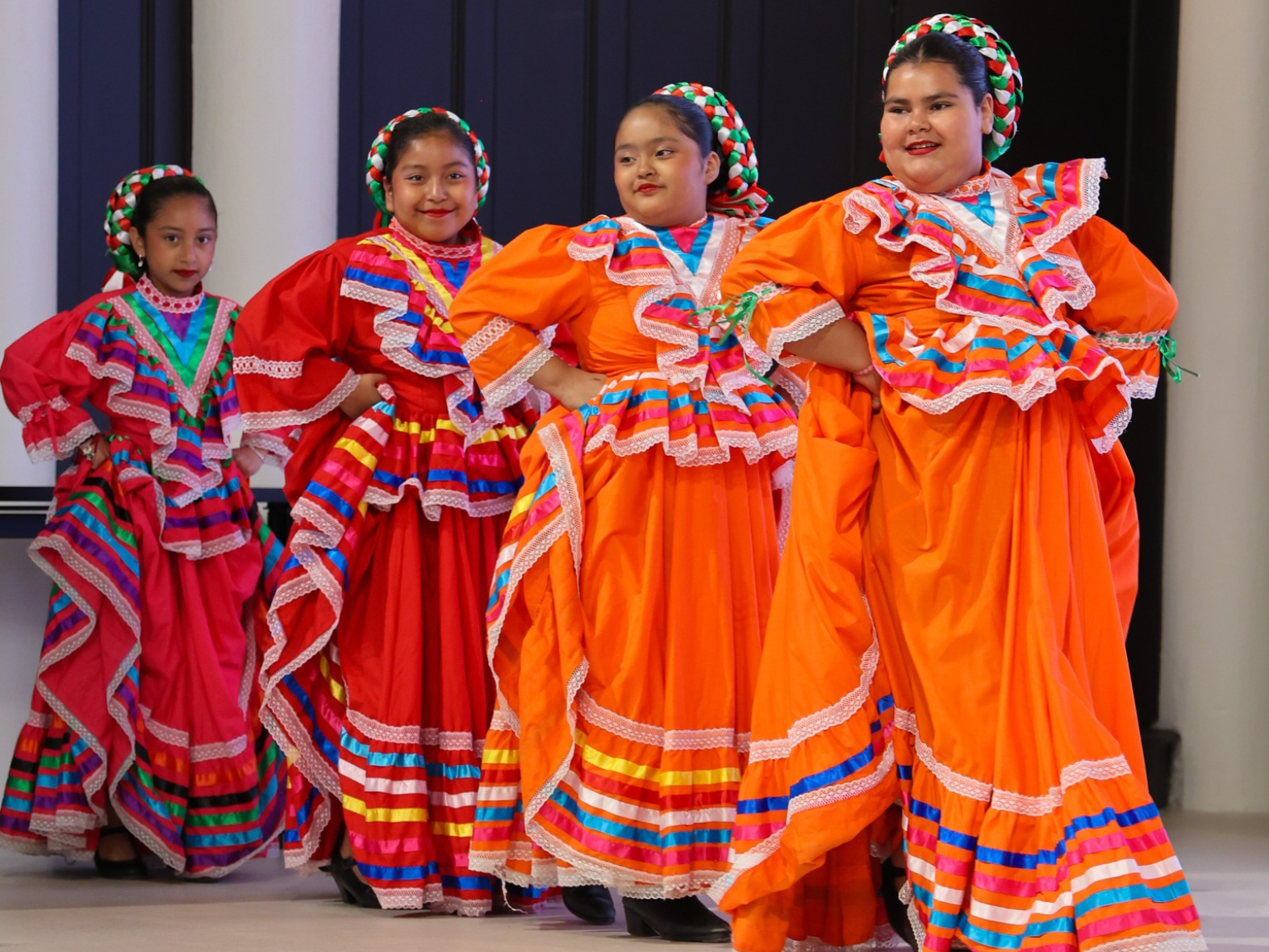
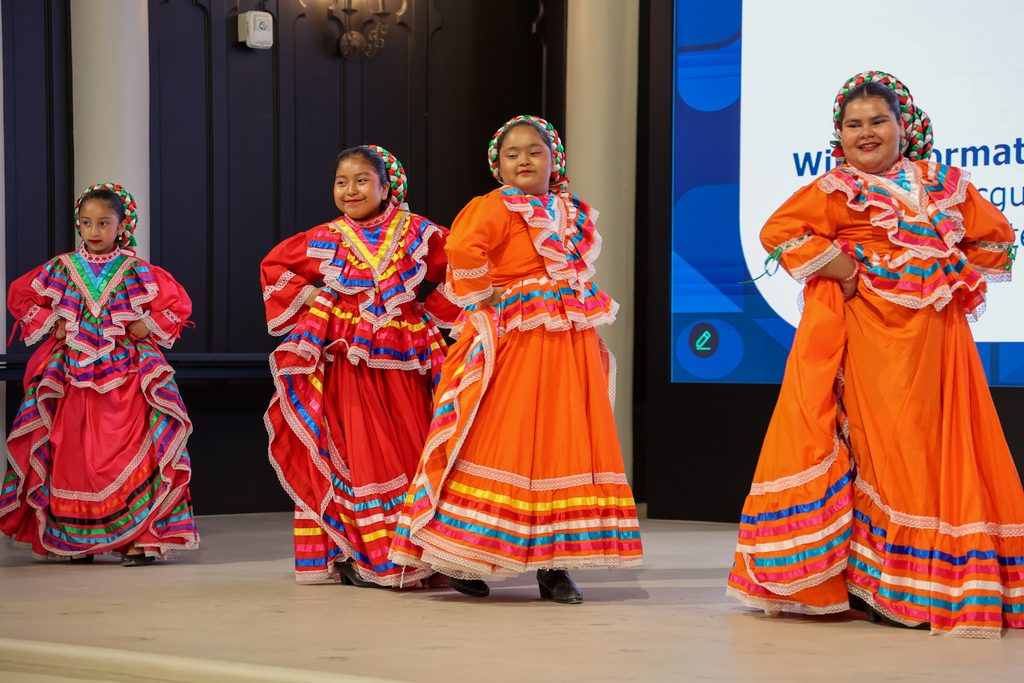
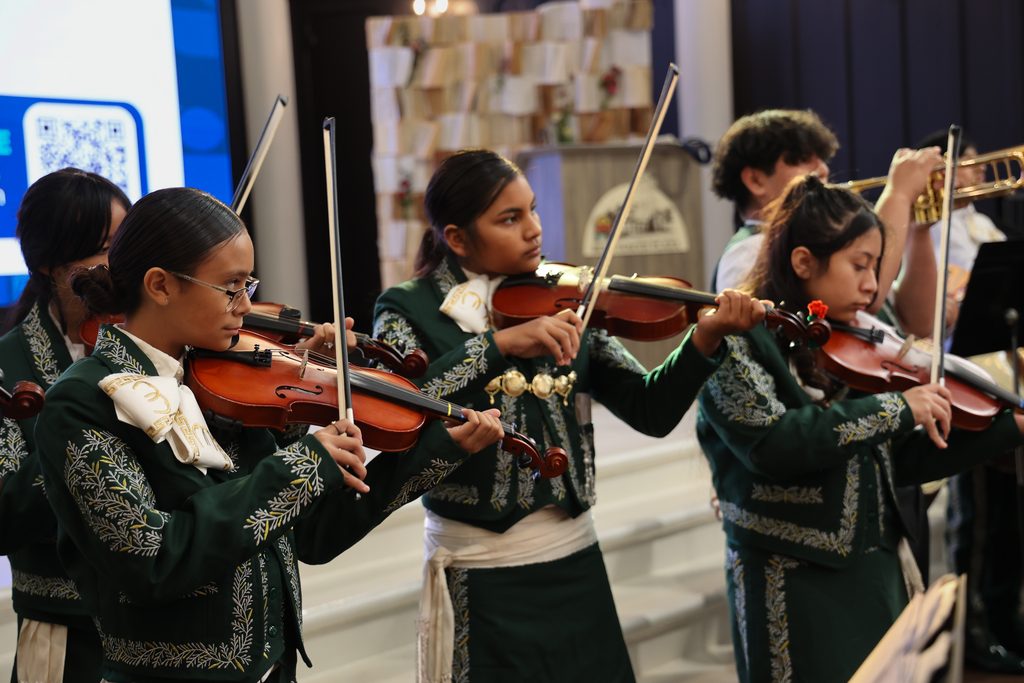
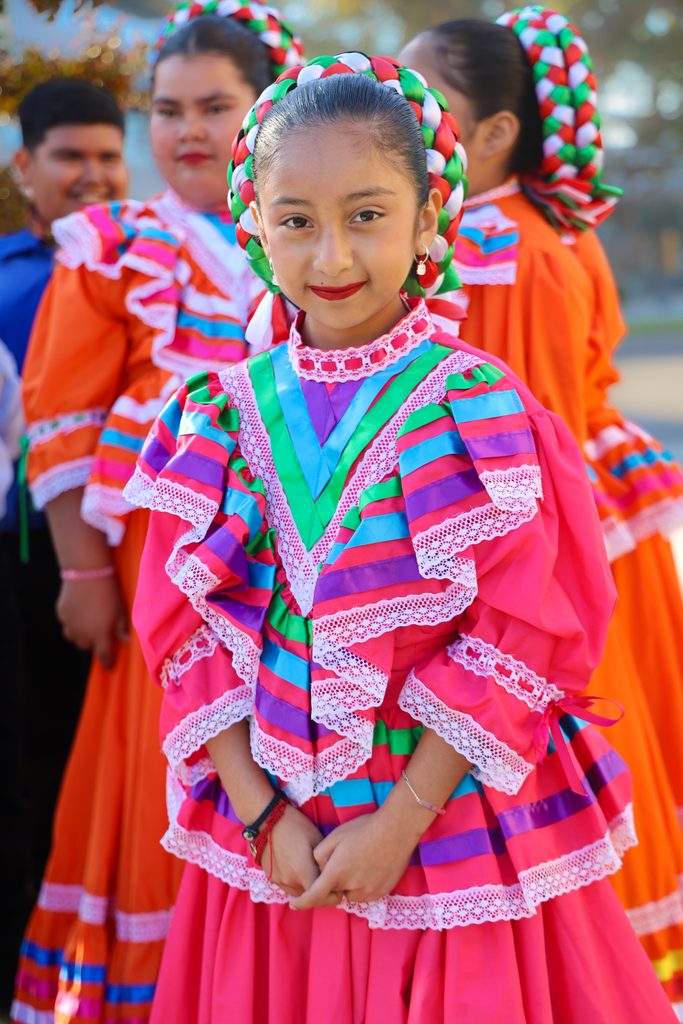
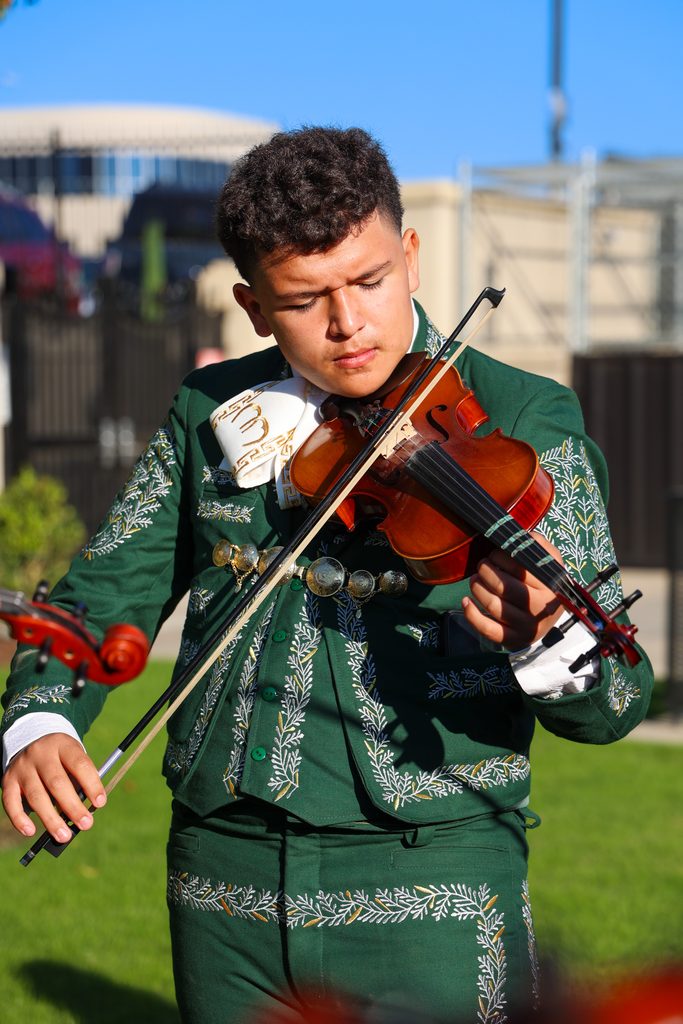
Educators gathered for the third annual Bridges Language and Literacy Conference today, which opened with lively performances by Lamont Elementary School District’s mariachi and baile folklórico groups. The young mariachi group’s closing song “Amor Eterno”—a standard known to move people to tears—deeply touched keynote speaker Dr. Elsa Cárdenas-Hagan, reminding her of her parents and setting a heartfelt tone for a day focused on language and learning.
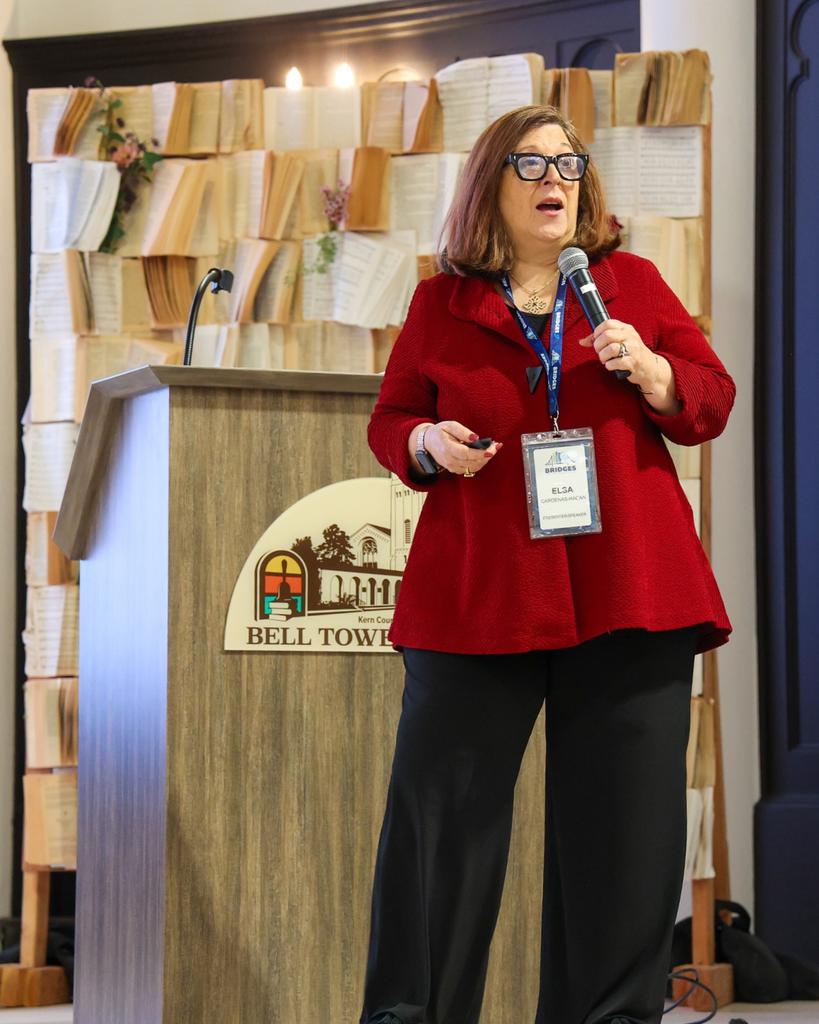
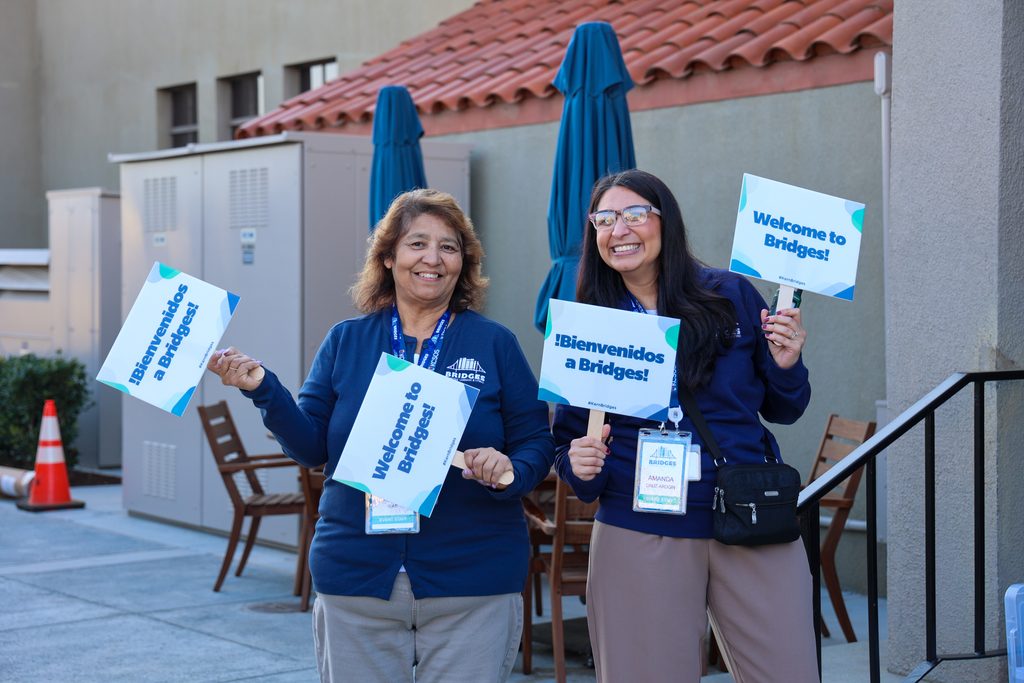
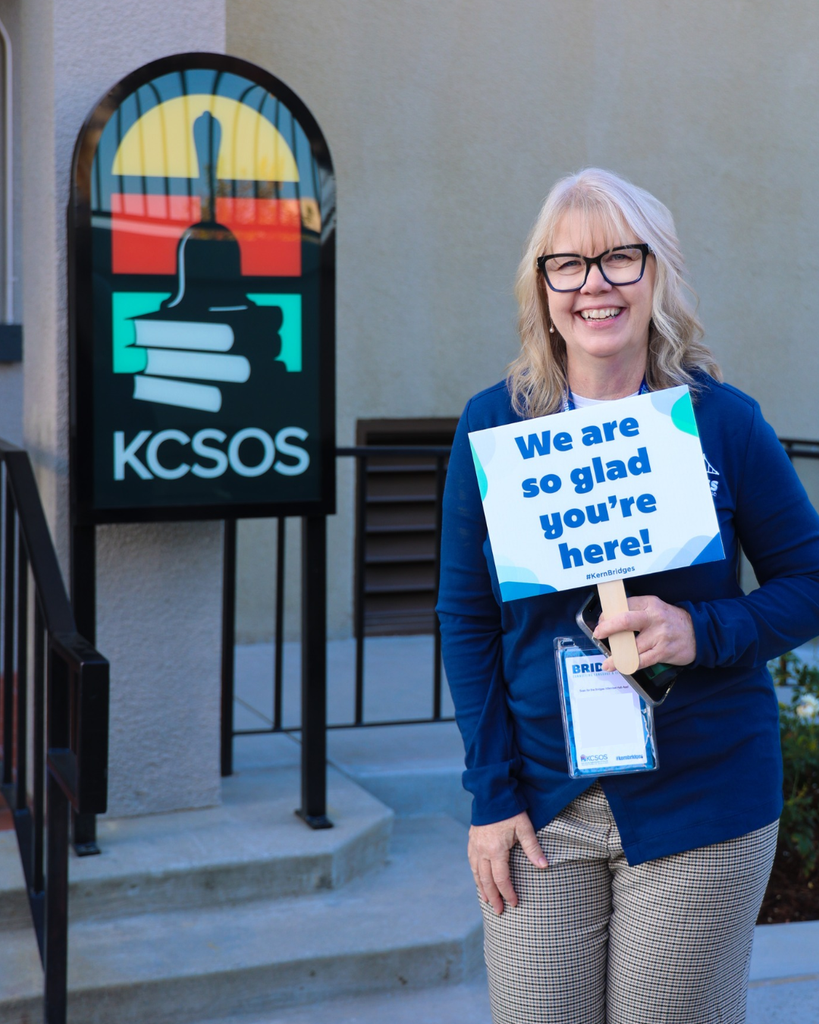
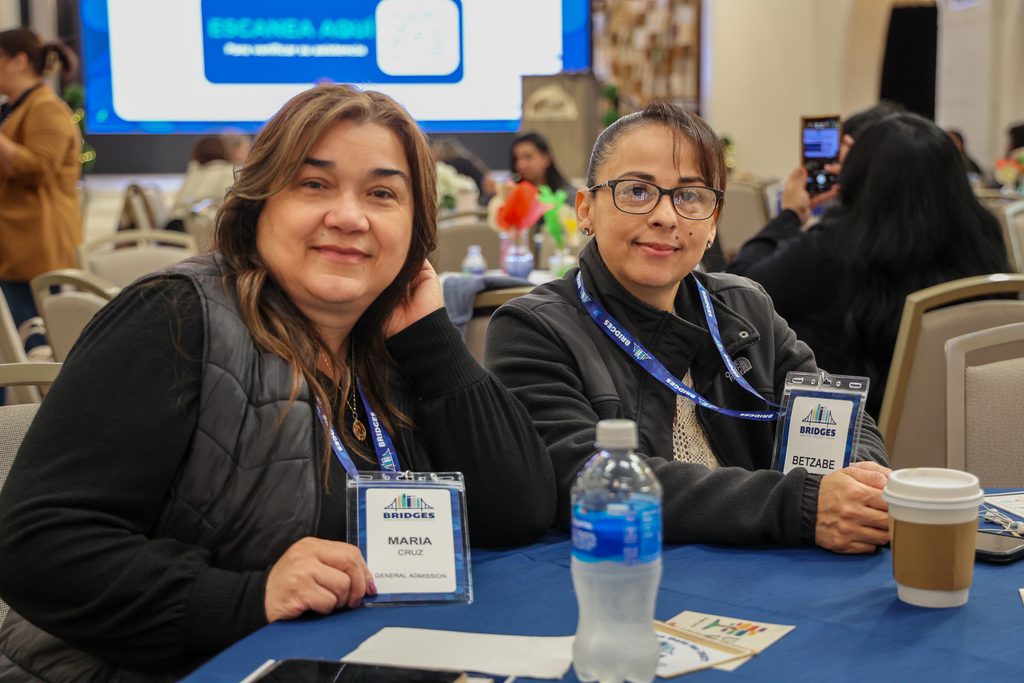
Hosted by KCSOS, the conference brought together Pre-K through 12th grade educators, administrators and literacy advocates to explore practical, evidence-based strategies for strengthening language development and literacy instruction. The event began Friday evening with a social mixer, followed by a keynote address and collaborative breakout sessions on Saturday.
Dr. Cárdenas-Hagan, a nationally recognized expert in language, literacy and Structured Literacy for English learners, demonstrated how educators can incorporate key language components—including phonology, vocabulary, morphology, syntax and pragmatics—into foundational reading instruction.
These components help explain how language works. Phonology examines how sounds are organized within a language, while morphology focuses on how words are formed using prefixes, suffixes and root words. Syntax refers to the rules for arranging words into sentences, and pragmatics explores how meaning changes based on social, cultural and situational context. For example, an English learner unfamiliar with the expression “I’m in a jam” might picture being inside a jar of fruit preserves rather than recognize it as a way of describing a difficult situation. Understanding these building blocks gives students a stronger foundation for language development.
Dr. Cárdenas-Hagan also introduced Structured Multiliteracy, an approach that builds literacy skills by recognizing connections between students’ home languages and English. Educators were encouraged to provide positive feedback when English learners use familiar spelling patterns from their native or “home language” to spell English words, such as “house” and “haus” or people and “pepo.”
“When students have the opportunity to develop their home language and home language literacy, they will soar in second language literacy,” Dr. Cardenas-Hagan affirmed. “But where do these students get served in our country? The majority are in English-medium classrooms.”
Ileanna Espinoza, a second-grade teacher at Mt. Vernon Elementary School, said the strategies presented at the conference will have direct applications in her classroom. Her students include native English, Spanish and Arabic speakers, each with different learning needs.
“I feel like sometimes foundational reading skills are catered towards English-only speakers,” Espinoza explained. “I think it’s important to think outside of those perspectives because the kids really do struggle with those different sounds that aren’t in their home language.”
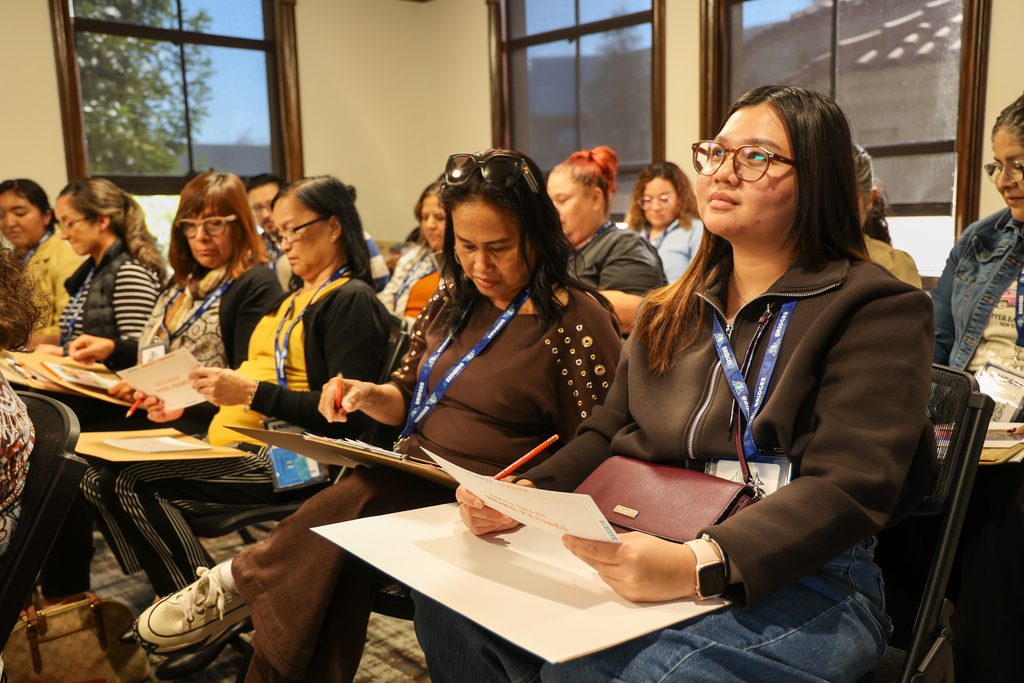
Lisa Vargas, KCSOS’s Executive Director for Humanities, Multilingual and Preschool through Third Grade (P3) Alignment, emphasized that strong language foundations prepare students for future learning.
“Language is existent regardless of whatever content you are teaching,” Vargas said. “Many of our students here in Kern County are considered multilingual learners or English learners, so we have to understand how to go about that language development process so that we can engage students with literacy development.”
The importance of English learner literacy extends beyond Kern County. California and Texas educate a significant share of the nation’s English learner population. According to the National Center for Education Statistics (NCES), in 2021, Texas enrolled approximately 20.2% of the nation’s public school English learners, while California enrolled 18.9%. Together, the two states accounted for nearly 40% of English learners nationwide. Dr. Cárdenas-Hagan noted that the proportion of multilingual students in the two states has since grown.
“California and Texas… we have more than 50% of all the multilingual students for the whole United States,” Dr. Cárdenas-Hagan said. “What California does and what Texas does—everybody follows us. So we need to do it right.”

By Natalie Hernandez
Natalie Hernandez joined the Kern County Superintendent of Schools as a Communications Specialist in 2026. She previously worked in Bay Area public relations, supporting education, government, health care, and nonprofit organizations. Hernandez is passionate about using storytelling to inform and engage the public.